Every year the National Restaurant Association and the James Beard Foundation put out their trend reports. Most of them blend together after a while. “Local sourcing” has been on the list since 2015. “Sustainability” never leaves.
But the 2026 reports tell a different story. The trends aren’t just about what’s on the plate. They’re about how restaurants fundamentally operate, and California chefs are at the center of nearly every shift worth watching.
The Whole-Animal Revival
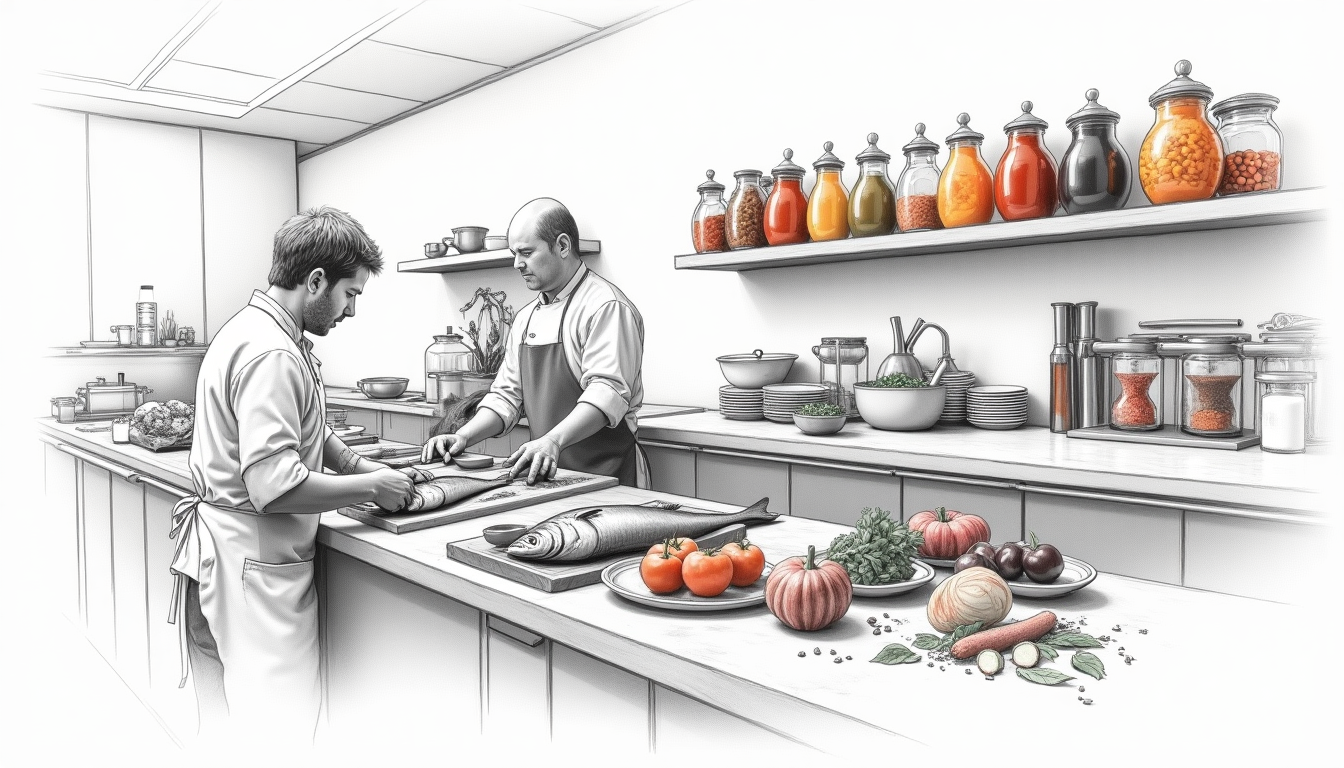
Kayla Abe at Shuggie’s Trash Pie and Natural Wine in San Francisco has been pushing whole-animal cooking into the mainstream. Heads, claws, carcasses, all on the plate. Not as a gimmick, but as a philosophy built on technique and storytelling. The idea is straightforward: respect the ingredient by using all of it.
This isn’t new in fine dining. What’s new is that it’s showing up in casual, approachable restaurants where the check average is $35, not $150. That matters for operators because whole-animal programs reduce waste and improve food cost ratios. A kitchen that uses 90% of what it buys instead of 60% is running a fundamentally different P&L.
For buyers evaluating chef-driven concepts, this is a metric worth digging into. A restaurant with a disciplined sourcing program and minimal waste isn’t just environmentally conscious. It’s operationally tighter.
Fermentation as Infrastructure
Sayat Ozyilmaz at Dalida in San Francisco has built something that looks less like a pantry and more like a lab. Fruit vinegars made from trimmings. Cultured chili pastes. Fermented sauces that take weeks to develop. His description of the approach is worth noting: these ingredients “express time, place, and scarcity.”
Ozyilmaz is also opening Maria Isabel in the former Ella’s space in Presidio Heights, a regional Mexican concept drawing from the coastal states of Guerrero and Sinaloa. Another chef-driven, technique-heavy restaurant investing in a market that some people said was oversaturated.
The fermentation trend goes beyond individual restaurants. The James Beard Foundation’s 2026 report highlights intentional fermentation as one of the year’s defining movements. Bartenders are building cocktails around koji, sorrel, and fermented tepache. Kitchens are creating house-made ingredients that can’t be replicated by a competitor ordering from the same distributor.
For operators, the takeaway is competitive differentiation that doesn’t require a bigger budget. It requires skill and patience. The restaurants building fermentation programs now are creating flavor profiles that become part of their brand identity.
Smaller Menus, Bigger Returns
The James Beard report also flags a shift toward smaller, seasonal menus. Fewer items done exceptionally well, changing with what’s available, described honestly on the menu without the flowery language that’s been trending for a decade.
This is quietly one of the most important operational trends in years. A restaurant running 40 menu items needs more prep, more inventory, more training, and more waste than one running 20. The math on food cost, labor efficiency, and plate consistency all favor a tighter menu.
I’ve seen this play out in Southern California deals. Buyers consistently pay higher multiples for restaurants with focused menus and strong execution on every item, versus sprawling menus where half the dishes are there because someone was afraid to cut them. A tight menu signals a confident operator.
The Zero-Proof Revenue Stream
Nearly 300 chefs surveyed by the NRA ranked low- and no-alcohol beverages among the top trends for 2026. Producers are building complexity using gentian, seaweed, capsaicin, and distilled smoke. Bars are incorporating miso, nori, and fermented components.
This isn’t about health trends replacing alcohol sales. It’s about expanding the addressable market. A table of four where two people don’t drink is currently leaving $30-40 in potential beverage revenue on the table. A thoughtful zero-proof program captures that spend at margins comparable to cocktails without the liability exposure.
For operators running the numbers on a beverage program overhaul, zero-proof offerings are one of the few additions that increase revenue per cover without increasing operational complexity.
What This Means for the Market
The common thread across all of these trends is that the restaurants thriving in 2026 aren’t the ones spending more. They’re the ones thinking differently about what they already have. Using more of the animal. Fermenting trimmings instead of composting them. Running fewer dishes at higher quality. Selling drinks to guests who don’t drink alcohol.
California has always been where restaurant innovation happens first. What’s different now is that the innovation is operationally practical, not just culinary. These aren’t techniques reserved for tasting-menu restaurants with $200 price points. They’re approaches that work at every scale.
If you’re an operator looking at what to invest in next, the chefs leading this wave are giving you a roadmap. And if you’re evaluating a restaurant to buy, ask about the kitchen’s sourcing program, waste metrics, and beverage mix. The answers will tell you more about the business than the trailing twelve months of revenue ever could.
Businesses Mentioned