Governor Gavin Newsom signed a package of business and permitting bills on September 30, 2026, and one of them changes how restaurant operators and landlords can use empty retail space across California. Assembly Bill 1679 requires every city and county in the state to create a simplified permit that lets a low-risk pop-up retail or food concept move into a vacant storefront for up to 120 days. For anyone buying, selling, or sitting on dark restaurant space in San Diego and Orange County, that permit is the most consequential piece of the package.
A New Permit for Empty Storefronts
AB 1679, authored by Assemblymember Mark González, creates what the bill calls a Temporary Commercial Activation permit. A qualifying operator can occupy an eligible vacant space for 120 days without triggering the additional inspections and major code upgrades that normally come with taking over a brick-and-mortar location. A local jurisdiction can extend the authorization, as long as the cumulative use of a single space stays under 12 months in any 24-month period.
The point is speed and cost. Bringing a dormant space up to full code before opening can run into tens of thousands of dollars, and the review behind it can stretch for months. A pop-up permit skips most of that for a short, defined run, which is the difference between testing an idea this quarter and waiting until next year.
Dark Space Gets a Cheaper On-Ramp
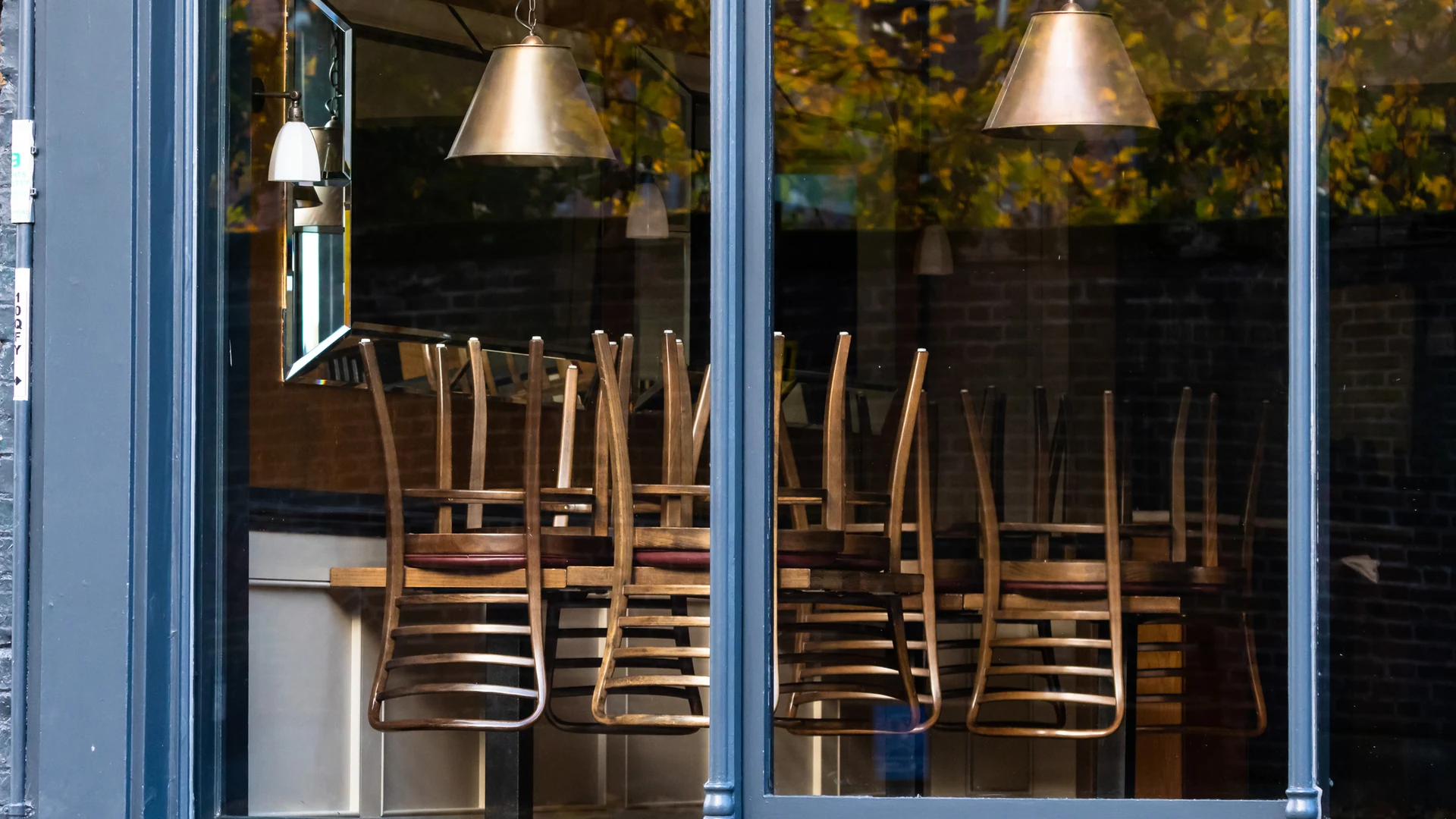
Vacant second-generation restaurant space has defined the Southern California market this cycle, as chain pullbacks and independent closures left built-out kitchens sitting idle. A pop-up permit gives that space a use it did not have before.
For a landlord, a 120-day activation turns a non-earning storefront into income and foot traffic while a longer-term tenant is found. For an operator, it is a chance to run a real concept in a real location without signing a decade-long lease or financing a full buildout. The downside is capped at a few months, which makes the test cheap enough to walk away from. For both sides of a future deal, that is new ground in commercial real estate that has mostly offered operators all-or-nothing commitments.
The Second Wave After AB 671
The pop-up permit sits alongside two measures that continue the reform California started last year with AB 671, which gave building departments 20 business days to approve a restaurant tenant improvement or see it automatically approved. Both of the new bills go after the same bottleneck, the plan-check queue at local building departments that AB 671 first tried to clear.
AB 2418, from González and Assemblymember Buffy Wicks, puts hard numbers on local plan review. It defines an excessive delay as more than 30 days for an initial nonresidential plan check, or 60 days once resubmittals are counted, and it forces agencies that miss those windows to contract with private plan checkers who must respond within 10 business days. AB 1693, from Assemblymember Rick Chavez Zbur, accelerates building plan approval for retail tenant improvements and lets qualifying businesses bring in their own licensed architects or engineers. Both bills target the dead time that quietly drains a buyer’s budget between closing escrow and opening the doors.
Cocktails to Go and a Guard on Financing
Two other items in the package reach the P&L directly. AB 2663, from Assemblymember Chris Rogers, extends the cocktails-to-go authorization that has been a steady revenue line for restaurants since 2021 and was set to expire at the end of this year; the drinks still have to be sold with a meal and capped at 4.5 ounces of spirits. AB 2116 adds protections against abusive commercial financing, the kind of high-cost, fast-money lending that has pushed more than one operator toward bankruptcy. The Governor’s office framed the broader package as an effort to cut red tape and stop large businesses from shutting out competition.
From Pop-Up to Qualified Buyer
Most of these laws take effect January 1, 2027. None of them lowers rent or solves labor costs, and a 120-day permit is a test rather than a business.
The value for the acquisition market is upstream. Operators who use a pop-up permit to prove a concept, build a following, and generate real numbers become qualified buyers a year later, walking into a lease or a purchase with real figures behind them. Sellers and landlords get a practical way to monetize empty space and audition the people who might eventually take it over for good. In a region still working through vacant second-generation restaurants, a cheap and legal way to put a concept in front of customers changes who can realistically buy a restaurant here, and when.
Sources
- Governor Newsom signs law to stop big business from shutting out competition, cuts red tape to speed up business permitting (gov.ca.gov, September 30, 2026)
- Newsom Signs LA Bills to Speed Permits, Fill Downtown’s Empty Storefronts (Hoodline, September 2026)
- California Bill Would Expand Pop-Up Shops to 120-Day Leases (Los Angeles Magazine)
- California extends cocktails to-go bill (The Spirits Business, August 2026)
Tags