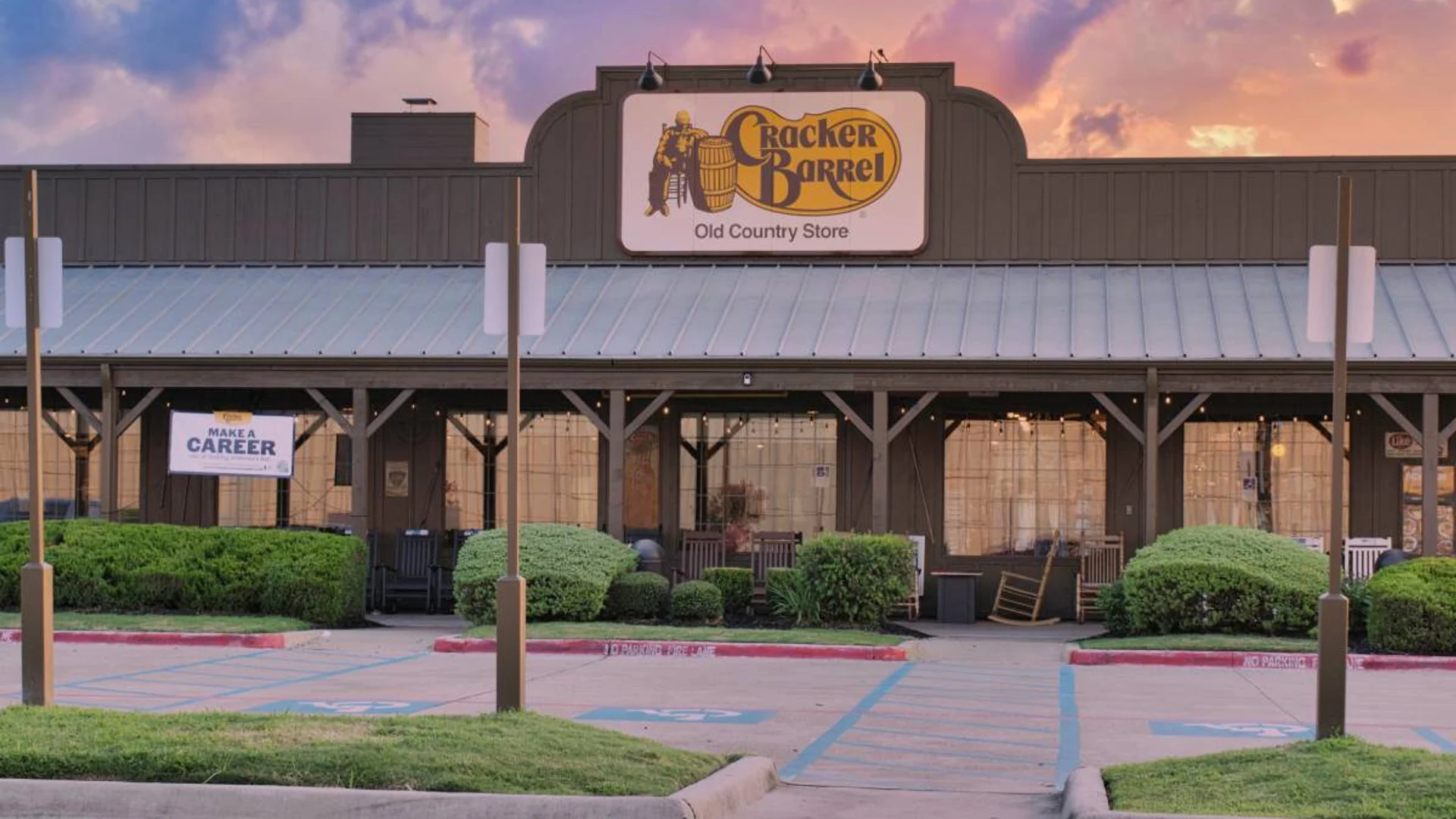
David Deno took over as CEO of Cracker Barrel about six weeks before the company’s latest earnings call, and the numbers he inherited show how far the brand drifted from its regulars. Comparable restaurant sales fell 2.1% in the fourth quarter, traffic dropped 6.1%, and the chain’s guest count has not recovered from a rebrand that its own customers rejected. Deno, who previously ran Bloomin’ Brands, is now unwinding that reinvention and steering the chain back toward the things people came for in the first place.
The damage and the recovery both reach well beyond one struggling legacy chain. Cracker Barrel spent more than a year changing what its brand stood for, watched the market punish it, and is now paying to change it back. Any owner whose business runs on repeat customers and a trusted name has a stake in how this plays out.
A Rebrand the Customers Rejected
Cracker Barrel’s trouble started with ambition in March 2024, when then-CEO Julie Felss Masino announced a $700 million strategic transformation plan built around 25 to 30 remodels a year, updated menus, refreshed kitchens, and new technology. On August 19, 2025, the company unveiled the flagship piece of that effort, a modernized logo that dropped the man leaning on a barrel the chain had used since 1977, alongside brighter, stripped-down remodels of its dining rooms.
The reaction was swift and spilled into national politics, with longtime customers reading the changes as a company walking away from its own identity. The backlash built fast enough that Cracker Barrel reversed itself within a week. By August 26 the old logo was restored and the remodel program was suspended.
Traffic had already fallen roughly 8% in the days after the change, and the damage to shareholder value ran deeper. The company’s market value slid from about $2 billion when Masino was named to lead the company in 2023 to roughly $821 million by October 2025. Activist investor Sardar Biglari had warned the board repeatedly that the remodel plan would not work. Masino stepped down in July 2026 and later told a radio interviewer she felt like she had been “fired by America.”
Back to the Basics
Deno’s plan reads as a deliberate return to fundamentals rather than another reinvention. The priorities put food quality first, with upgrades to chicken, hamburger, and steak and a push to make dinner as consistent as breakfast, which remains the chain’s strongest daypart. Guest experience scores are already moving, with food taste and service up about 400 basis points and food temperature up 500. Value is central to the pitch, with a $7.99 Sunrise Pancake special and $8.99 weekday Early Dine meals set against an average check near $16. “We want to invest in it more and make it even more craveable,” Deno said of the menu.
The most durable asset in the turnaround is the customer relationship the rebrand nearly strained. Cracker Barrel Rewards now counts more than 12.5 million members who drive over 40% of tracked sales. Management is guiding to comparable sales growth of 3% to 5% in fiscal 2027, and the capital budget tells its own story. Planned spending of $110 million to $125 million goes about 65% toward maintenance, with the rest toward technology and other needs, and no new restaurants are on the schedule. That budget describes a company tending to what it already has.
A Brand Is an Asset
For anyone who owns a business built on loyalty, Cracker Barrel is a reminder that the brand sits on the balance sheet. Goodwill, the name over the door, the regulars who come back, and the recipes people expect are real value, and that value can erode faster than any line on a P&L when an owner changes what customers came for. It is a core input to any credible restaurant valuation, and it is the first thing a buyer underwrites.
The turnaround playbook is instructive because it is the same discipline a broker prescribes ahead of a sale. That discipline means fixing the fundamentals that drive repeat traffic, sharpening the core offering, and protecting customer relationships before going to market. The strongest chains have already shown that back-to-basics beats reinvention, whether that meant casual-dining operators leaning into their classics or the premium positioning that let CAVA grow without discounting. Buyers notice the difference, and a loyal, sticky customer base is exactly what draws capital into the family-dining segment, as the private-equity acquisition of Denny’s showed.
The scale is different for a single neighborhood restaurant, but the principle holds. Whether a business runs hundreds of units or one dining room, the identity customers already love is worth more than a reinvention that gambles it away. Owners who understand that, and who plan an exit around protecting it, keep the value they spent years building.
Sources
- FSR Magazine, “New CEO Charts Cracker Barrel’s Path Back to Traffic Growth”
- CBS News, “Cracker Barrel CEO Julie Masino, who oversaw controversial logo redesign, is stepping down”
- Fortune, “Cracker Barrel suspends restaurant remodels after redesign backlash”
- CNN Business, “Cracker Barrel changed its logo. Then visits tumbled”
Businesses Mentioned
Tags