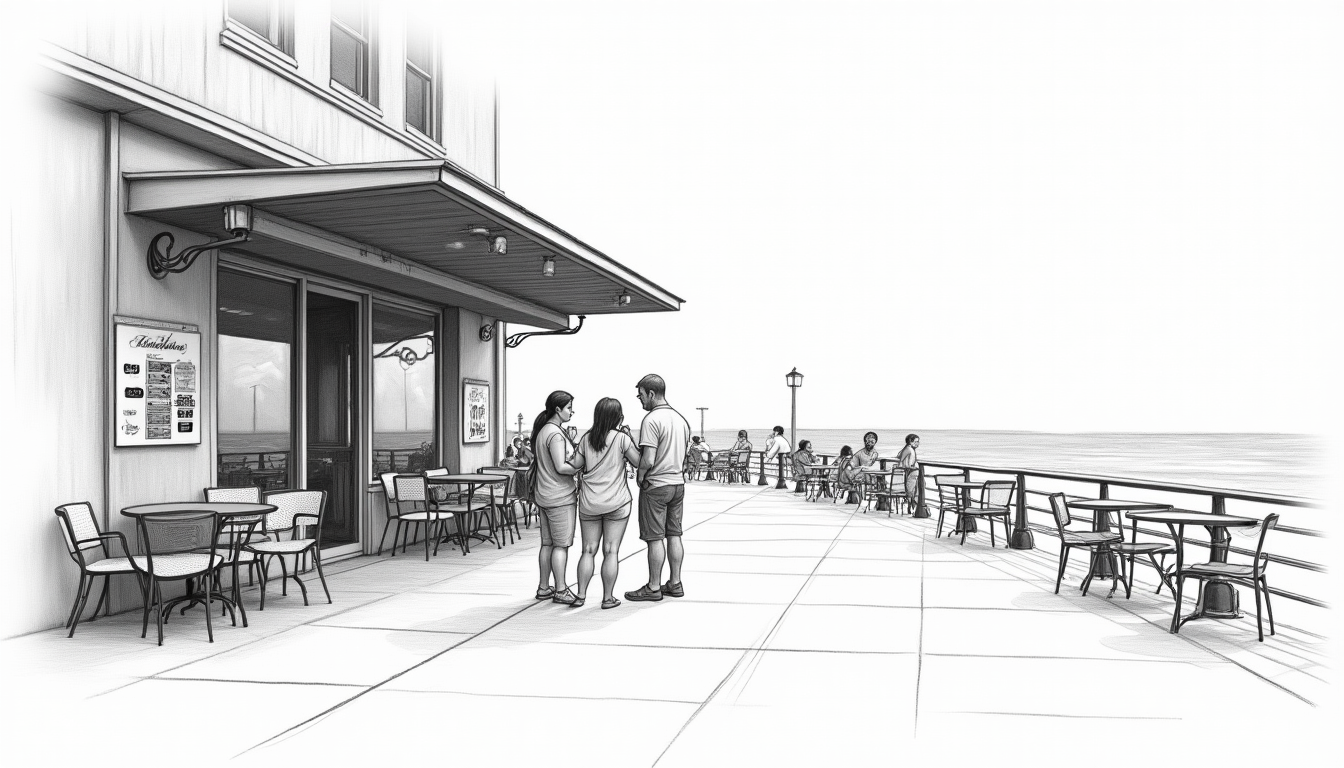
A cheeseburger at Hodad’s cost $10 in 2020. Today it’s $13. That’s a 30% increase, and it’s not an outlier. It’s the market.
San Diego restaurant prices have risen over 30% since late 2020, according to Bureau of Labor Statistics data. The city ranks as the second-highest inflation metro in the country. Cost of living sits approximately 50% above the national average. And in 2025, more than 70 restaurants and bars closed across the county.
This isn’t a blip. It’s a structural repricing of what it costs to eat out in San Diego, and it’s reshaping restaurant valuations, deal flow, and who can afford to operate in this market.
The Numbers Behind the Menu
San Diego’s food-away-from-home inflation tells a stark story:
| Period | Price Increase |
|---|---|
| 2020 | ~4% |
| 2021 | 10%+ |
| 2023 | ~4% |
| 2024 | 11.7% (largest single-year jump) |
| Mar 2024 – Mar 2025 | 6.3% |
| 2026 projected | 4.6% nationally (USDA) |
Put differently: $100,000 in purchasing power from November 2020 buys roughly $80,000 worth of food today. Twenty percent of the value erased in five years.
Full-service restaurants are getting hit hardest: 4.6% year-over-year increases compared to 3.2% for limited-service and fast-casual. The segment that employs the most people and carries the highest operating costs is absorbing the deepest price pressure.
What’s Driving It: A Cost Stack That Doesn’t Quit
Restaurant operators are being squeezed from every direction simultaneously.
Labor: California’s general minimum wage hit $16.50/hour in 2025 and rises to $16.90 in 2026. But the real pressure comes from the fast-food minimum wage: $20.00/hour for chains with 60+ locations since April 2024. That rate creates a floor that pushes wages up at independent sit-down restaurants competing for the same workers. Full-service restaurant labor now averages 36.5% of sales, up from historical norms of 30-33%.
Food costs: Combined food and labor costs are up 35% in five years for the average restaurant nationally. The egg crisis of early 2025 saw California wholesale prices spike to $8.97 per dozen, a 70% jump. Tariff uncertainty adds another layer: the effective U.S. tariff rate jumped from 2.4% to 16.8%, with potential food price impacts of up to 25% on imports from Mexico: avocados, fresh produce, beef, and beer.
Rent: San Diego County allows annual rent increases of 8.6-8.8% (5% base plus CPI). California’s new Commercial Tenant Protection Act (SB 1103, effective January 2025) requires 90 days notice for increases over 10% for small restaurants with fewer than 10 employees, but offers no cap.
The margin result: Average net profit margins for San Diego restaurants fell to approximately 3% in 2025, down from roughly 5% in 2023. Operators can’t pass costs through dollar-for-dollar because their customers’ disposable income is shrinking at the same time.
The Closure Wave
The 70+ San Diego restaurant closures in 2025 weren’t random. They disproportionately hit operators caught between rising costs and an unwillingness (or inability) to raise prices enough.
Some of the most painful losses:
- Las Cuatro Milpas (Barrio Logan): closed after 92 years. The building sold for $2.275 million. The business owed $60,000 in property taxes and $130,000 in other tax liens. A near-century of operation undone by accumulated financial pressure.
- Fred’s Mexican Cafe (Old Town): closed after 25 years, citing “rising operational costs, sharp decline in tourism, and regulatory hurdles.”
- 85C Bakery Cafe (Clairemont): cited “rising rents, shifting consumer habits, and broader financial pressures.”
- Ballast Point Brewing (Miramar): “shifting consumer tastes and mounting industry pressures.”
- Little Miss Brewing (9 county locations): closed all doors. “Tightening craft beer market, rising costs.”
- Breakfast Republic (Hillcrest): closed early 2026.
The pattern: legacy operators and multi-unit groups alike are hitting walls they can’t negotiate their way past.
How Consumers Are Responding
San Diego’s median household income is $104,321, solid by national standards. But the median home price exceeds $920,000, requiring an estimated income of $260,000+ to qualify. The gap between earnings and housing costs leaves less disposable income for dining.
The behavioral shifts are visible:
- Consumers are ordering smaller, less expensive meals or choosing from kids’ menus
- More diners are shifting from full-service to fast-casual to save money
- Home cooking is trending upward as restaurant costs climb
- Even McDonald’s and Chipotle reported declining sales in early 2025; when fast food loses customers, the entire dining ecosystem is contracting
The average San Diegan now spends at least $23 per dining occasion. A comparable home-cooked meal costs roughly 75% less. That math is getting harder to ignore.
What This Means for Restaurant Valuations
The affordability crisis is creating a bifurcated market for restaurant buyers and sellers:
Premium concepts are holding value. Restaurants with strong digital engagement, loyal followings, and differentiated positioning still command multiples at the top of the range: 2.5x to 3x SDE for top-quartile operators. Buyers recognize that brands which can raise prices without losing customers have durable earnings.
Average concepts are compressing. Restaurants with thin margins, undifferentiated menus, and lease vulnerability are seeing valuation pressure. When net margins drop to 3%, there’s very little SDE left to multiply. A restaurant generating $100,000 in SDE at a 2x multiple is a $200,000 deal, and the buyer needs to believe those margins are sustainable, not deteriorating.
The buyer pool is more cautious. Higher interest rates and elevated wage pressure define the 2023-2026 market cycle. Combined with tighter SBA lending standards, fewer buyers can qualify for financing, and those who do are scrutinizing P&Ls more carefully.
More operators are heading toward sale—or closure. Thinner margins are pushing owners who might have held on another few years toward earlier exits. Some will find buyers. Others will simply close, adding to the vacancy pool.
The Broker’s Perspective
The death of affordable dining isn’t just a consumer story. It’s a valuation story.
Restaurants that have already repriced their menus, controlled their cost stack, and maintained margins through the 2020-2026 inflationary cycle are worth more today than they were five years ago, precisely because they proved they could survive it.
Restaurants that haven’t—the ones operating on 2019 assumptions with 2026 costs—are worth less. And the gap between those two categories is widening every quarter.
Wondering where your restaurant stands in this market? Use our SDE Valuation Calculator to get a baseline, or contact Smith Allen Group for a confidential market assessment.
Businesses Mentioned