Drive 15 miles east of downtown San Diego and you’ll hit a city most coastal residents overlook. El Cajon—population 105,000, nestled in a valley between the Cuyamaca Mountains and Mission Trails—has spent decades as the quiet suburb you pass through on the way to Julian. That’s changing fast.
The city just hired New City America to lead a downtown revitalization. If that name sounds familiar, it should: they’re the firm that turned Little Italy from a forgotten warehouse district into one of the most celebrated dining neighborhoods on the West Coast. They did it again in Chula Vista. El Cajon is next.
For anyone buying or selling a restaurant in East County, this is the moment to pay attention.
The Little Baghdad Advantage
What El Cajon already has, and what most “up-and-coming” neighborhoods spend years trying to build, is authentic culinary identity.
An estimated 30% of El Cajon’s residents are foreign-born, led by Chaldean and Arab Iraqi families who’ve been settling in the valley for three decades. The result is a concentration of Middle Eastern dining that rivals any city in America outside Dearborn, Michigan.
Walk East Main Street and you’ll find Uncle Feras serving Chaldean kebabs and shawarma, Sahara Taste of the Middle East with its traditional platters, Ali Baba Family Restaurant crafting halal dishes since 2002, and Al Azayem, widely considered ground zero for Iraqi cuisine in Southern California. Nahrain Fish & Chicken Grill roasts whole fish in a clay tandoor oven. Mal Al Sham brings Syrian shawarma to the mix.
This isn’t a food trend. It’s a 30-year cultural institution, and it gives El Cajon something most revitalizing neighborhoods lack: a reason to drive there today, not just when the new construction is finished.
The Revitalization Playbook
The city council has already made concrete moves:
- Zoning changes to welcome brew pubs and entertainment venues; Creative Creature Brewing is opening a tasting room downtown as a direct result
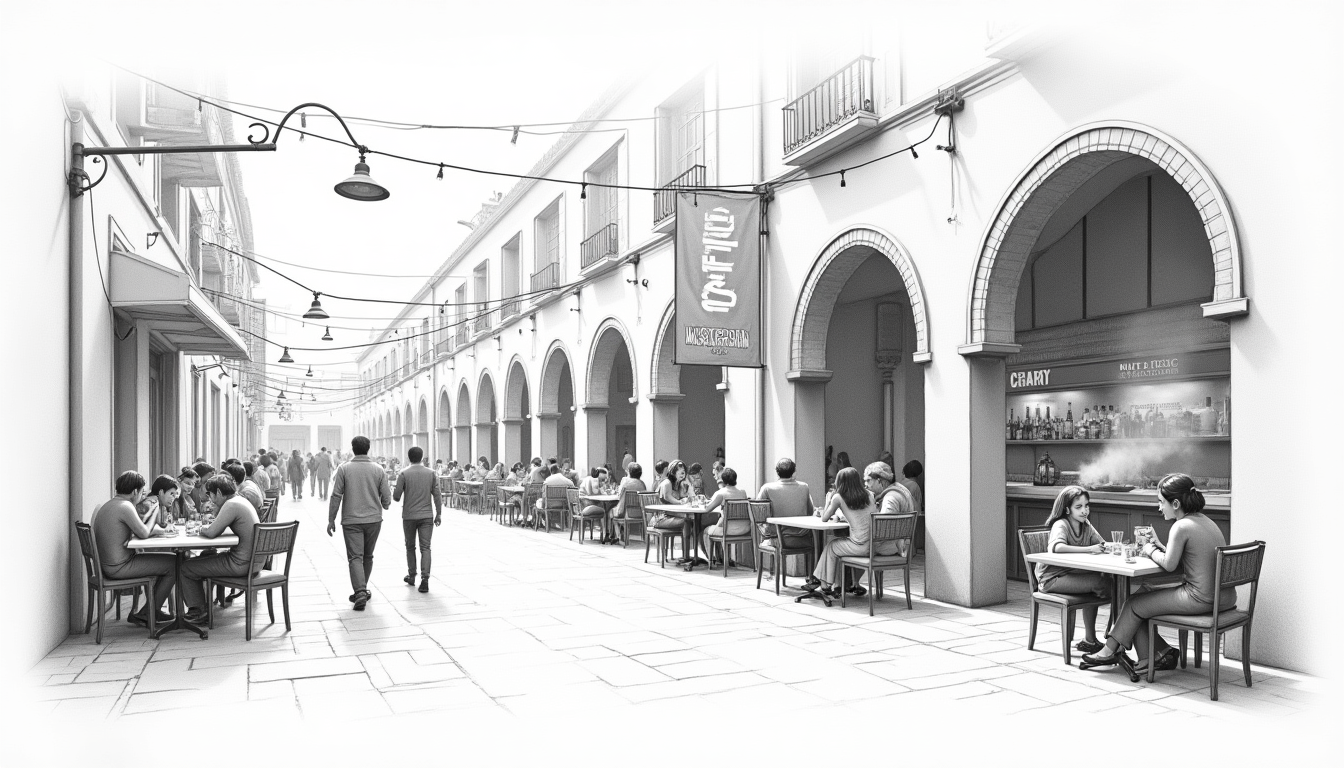
- Prescott Promenade upgrades with outdoor dining furniture, planters, and new lighting along Main Street
- 250 new residential units via two townhome developments on opposite ends of Main Street, plus a mixed-use condo complex in the downtown core
- New events programming: “Music on Main” every Thursday evening and a new open-air arts festival called Artival launching in 2025
Mayor Bill Wells has been direct about the goal: El Cajon has a “shortfall in dining options” relative to demand, and the city is actively recruiting restaurants to fill the gap.
When a mayor publicly says his city needs more restaurants, and backs it with zoning changes and infrastructure investment, that’s a signal.
The Numbers Make the Case
Here’s where El Cajon gets interesting for investors and operators:
Commercial rents are significantly below central San Diego. The average commercial lease in El Cajon runs $25.87 per square foot, compared to $31-35/sq ft in neighborhoods like North Park, Hillcrest, and Little Italy. For a 2,000 square foot restaurant, that’s roughly $10,000-$18,000 per year in rent savings that drops straight to your bottom line.
Cap rates favor buyers. El Cajon commercial properties average a 6.26% cap rate versus 5.56% for East County overall and 5.5% for the San Diego metro. Higher cap rates mean better returns on investment, and they signal a market that hasn’t yet been bid up to coastal premiums.
The residential pipeline creates built-in demand. Those 250+ new housing units downtown mean hundreds of new residents within walking distance of Main Street restaurants. New residents who chose to move to a revitalizing downtown want to eat out. That’s not speculation; it’s the same demand cycle that powered Little Italy’s transformation.
What This Means for Sellers
If you own a restaurant in El Cajon with clean financials and a favorable lease, your timing is remarkable. The revitalization narrative makes your business more attractive to buyers who understand that the factors driving business value include market trajectory, not just trailing twelve months.
A profitable Middle Eastern restaurant with an established customer base in a revitalizing corridor is a fundamentally different sale than the same P&L in a static market. The story matters, and right now, El Cajon’s story is compelling.
What This Means for Buyers
East County is where the math still works. Coastal San Diego restaurant acquisitions increasingly require $500K+ in total investment for marginally profitable operations drowning in rent. In El Cajon, the same capital buys you:
- Lower occupancy costs as a percentage of revenue
- A neighborhood with genuine foot traffic momentum
- City government actively working to bring more customers to your door
- A cultural dining scene that draws visitors from across the county
The San Diego business-for-sale market is competitive. El Cajon is one of the few submarkets where you can acquire an established operation without overpaying for the zip code.
The Broker’s Takeaway
I’ve watched this playbook before. When New City America entered Little Italy, the skeptics said nobody would drive downtown for Italian food. When they took on Chula Vista, people questioned whether South Bay could support a dining scene. Both times, the combination of infrastructure investment, zoning flexibility, residential density, and authentic culinary identity created outsized returns for early operators.
El Cajon has all four ingredients. The Middle Eastern food corridor gives it an authentic anchor that most revitalization projects spend years trying to manufacture. The city is investing real dollars in streetscape and programming. And commercial rents still leave room for operators to build genuine SDE rather than working just to cover the lease.
The window where El Cajon offers coastal-quality opportunity at East County pricing won’t stay open forever. Understanding your business’s fair market value in a market like this, one that’s clearly inflecting upward, is the difference between selling a restaurant and selling a position in San Diego’s next great food neighborhood.
Businesses Mentioned