The national average gas price climbed from roughly $2.98 per gallon in late February to $3.98 by the end of March, a 34% increase in one month. Diesel rose more than 40% over the same period, hitting $5.37 per gallon by mid-March, the highest level since July 2022. In California, the statewide average reached $5.82 per gallon, with some counties crossing $6. San Diego gas prices rose for 28 consecutive days through mid-March, reaching their highest point since late 2023.
The catalyst was the U.S. and Israeli military strikes against Iran on February 28, which triggered Iranian retaliation and a blockade of the Strait of Hormuz, the narrow passage through which roughly 20% of the world’s oil supply transits daily. Brent crude surged from $72 per barrel in late February to a peak of $126 before settling around $111 by the end of March. The International Energy Agency called it “the largest supply disruption in the history of the global oil market.”
The restaurant industry was already under pressure before any of this happened. Now operators are absorbing a fuel-driven cost spike on top of elevated labor, food, and insurance expenses that have accumulated since 2019.
How Fuel Costs Cascade Through Restaurants
The most obvious impact is on consumer traffic, because people drive to restaurants, and when gas costs more, some percentage of those trips do not happen. Revenue Management Solutions analyzed billions of transactions from 2022 through 2026 and found that a $1 increase in gas prices translates to six fewer drive-thru customers per day per location. During the 2022 gas spike, when prices peaked near $5 nationally, full-service restaurant traffic dropped 4.7%, fast-casual fell 1.7%, and drive-thru traffic specifically declined 11.2%.
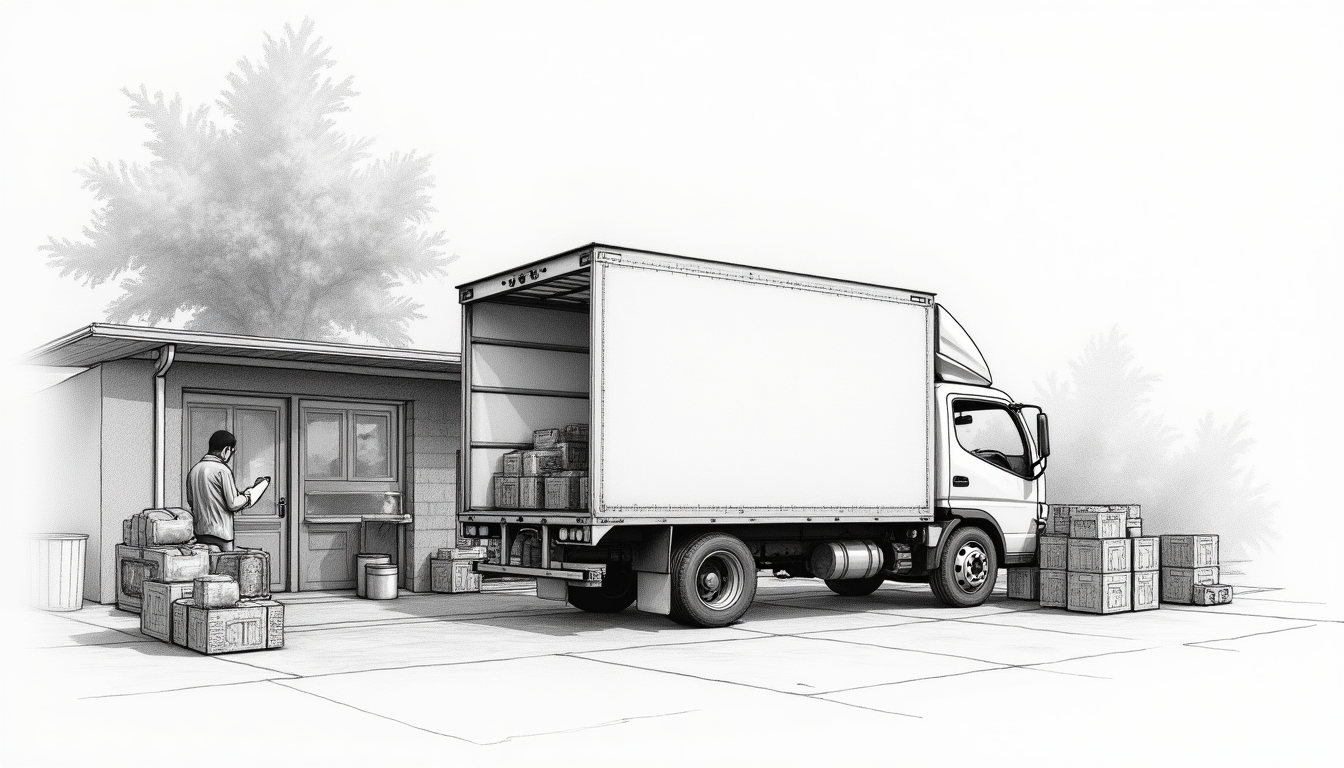
The less obvious but equally damaging impact comes through the supply chain. Diesel powers the trucks that deliver produce, protein, and dry goods to restaurants. It fuels the farm equipment that grows the food and the fishing vessels that catch it. A 40% increase in diesel does not stay contained at the fuel pump because it compounds at every step in the chain. Industry analysts describe a spiraling effect where a 1% cost increase at the point of origin can become a 5% increase by the time it reaches a restaurant kitchen because every intermediary passes the cost forward.
Meat and produce are the most exposed categories because they require near-daily deliveries for freshness. A restaurant that receives four to five truck deliveries per week is absorbing fuel surcharges on every one of those runs. Fertilizer supplies, which transit through the Strait of Hormuz in large volumes, face their own price pressure, which will eventually show up in produce costs later this year.
California Pays More Than Everyone Else
California’s $5.82 average sits nearly $1.85 above the national average, and the gap has structural causes that extend well beyond the current crisis. Two major refineries have closed or are closing within months of each other. Phillips 66 shut its Wilmington refinery in late 2025, removing 139,000 barrels per day of capacity. Valero’s Benicia refinery is scheduled to close in April 2026, eliminating another 145,000 barrels per day. Combined, that represents roughly 17-20% of California’s in-state refining capacity gone within months. The state’s fuel is also subject to the highest excise tax in the nation at 70.9 cents per gallon, plus federal tax of 18.4 cents, plus environmental compliance costs from cap-and-trade and low-carbon fuel standards that add approximately 43 cents more. Total tax and regulatory overhead exceeds $1.30 per gallon before market forces even enter the equation.
For California restaurant operators already absorbing the $20-per-hour fast-food minimum wage that took effect in April 2024, this fuel spike stacks on top of an already elevated cost base. Menu prices at franchise fast-food locations have risen 8-12% since 2023. The question is how much more pricing power operators have before consumers pull back entirely.
The Discount Trap
Restaurant Business Online reported that chains are offering discounts “at levels not seen since the Great Recession,” and that was the state of play before gas prices surged. McDonald’s is launching “McValue 2.0” in April with $3-and-under items and $4 breakfast meals. Chili’s $10.99 “3 For Me” deal has driven multiple quarters of same-store sales growth by positioning casual dining at a price point that competes directly with fast food. Applebee’s is running a $9.99 “Really Big Meal Deal” alongside a 2-for-$25 promotion.
The trap is visible in the numbers, and it is getting worse. More than 80% of diners now consider value promotions when choosing a restaurant. Among consumers expecting financial pressure this year, 60% plan to choose cheaper restaurants and 53% plan to use more coupons and discounts. Operators are caught between costs that keep rising and customers who demand lower prices. That is the definition of margin compression, and it does not resolve itself quickly.
What Buyers and Sellers Should Watch
Consumer sentiment has cratered alongside the fuel spike. The University of Michigan consumer sentiment index fell to 53.3 in March, a 6% decline from February and a reading in the bottom 1st percentile of the survey’s entire history. Year-ahead inflation expectations jumped to 3.8%. Moody’s Analytics recession model sits at 48.6%, just below the 50% threshold that has preceded every recession since 1945. Mark Zandi, Moody’s chief economist, was blunt about it. “Recession risks are very high. Unless the hostilities are coming to an end now, I think recession is more than likely by the second half of the year.”
BlackRock CEO Larry Fink set the marker even more clearly. Asked what happens if oil reaches $150 per barrel, his answer was two words. “Global recession.”
For sellers, the window to sell a restaurant at current valuations may be narrowing. If consumer traffic declines accelerate through Q2, trailing twelve-month financials will soften, and the comps a buyer uses to benchmark your business will shift downward. If you are considering an exit, the financials you can present today are likely stronger than the ones you will be able to present in six months.
For anyone looking to buy a restaurant, the fuel cost environment creates both risk and opportunity. Restaurants in car-dependent suburban locations with long customer drive times face the most direct traffic pressure. Walkable urban locations and those near residential density are more insulated. Consumer Edge data shows that lower-income demographics and 18-to-24-year-olds are the most sensitive to gas price increases, while households earning $150,000 or more are the least affected. Match the target restaurant’s customer profile against those exposure levels before you finalize your underwriting.
The one thing neither side should do is assume this resolves quickly. The Strait of Hormuz remains contested, refinery capacity is not coming back, and the structural cost pressures in California were already severe before a single barrel of oil was disrupted. Plan for elevated fuel costs through at least the end of 2026 and build that assumption into every business valuation model you run.
Sources
- Restaurant Business Online, “Welcome to Yet Another Big Dose of Economic Uncertainty”
- Nation’s Restaurant News, “Rising Gas Prices Could Disrupt Restaurant Sales Recovery”
- KPBS, “San Diego Gas Prices Continue Their Climb Amid Rising Global Oil Prices”
- AAA Gas Prices
Tags