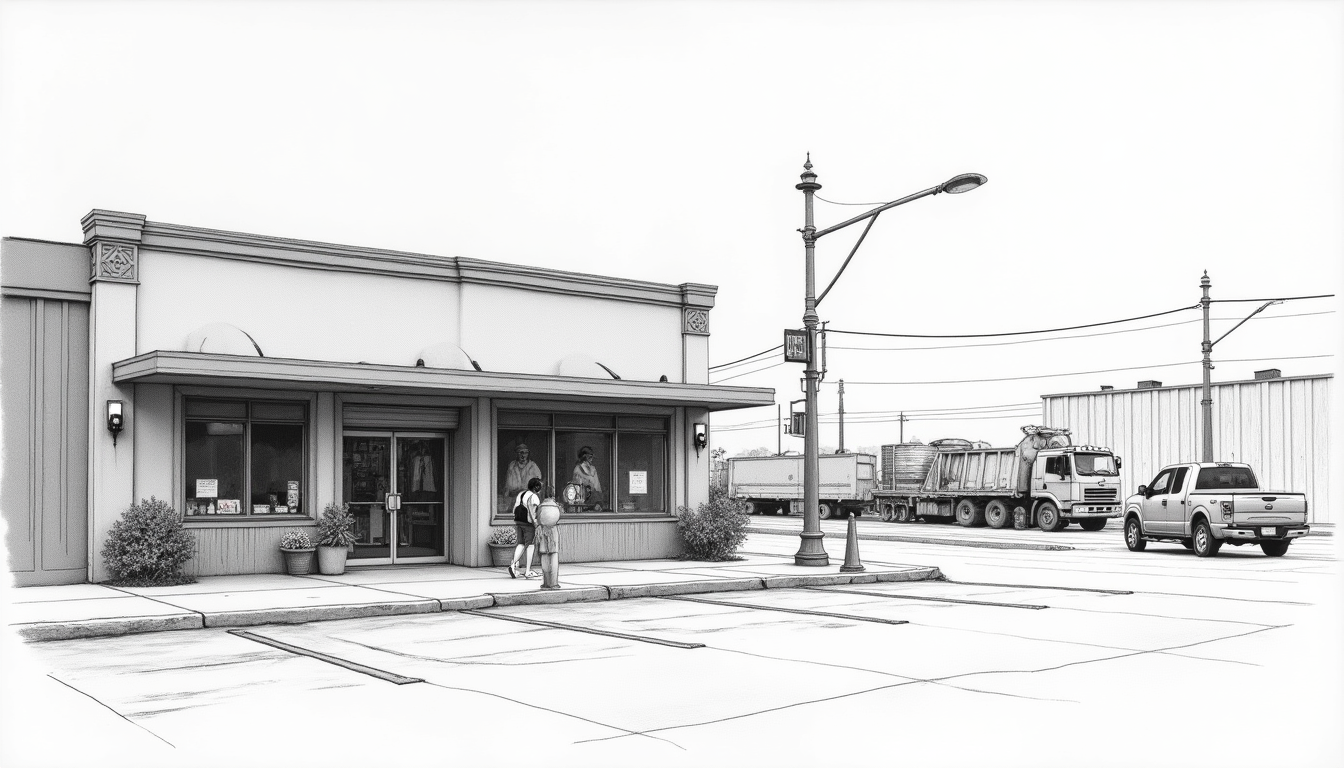
A 35-year East San Jose institution closes its dining room May 24, and owner Fernando Galindo pointed KRON4 at VTA construction outside his front door as the reason, a detail that matters more than the headline. For operators along any major California coastal corridor, the most expensive risk on the balance sheet is often the one no analyst priced in. Years of public-works disruption can quietly bleed traffic until the math stops working.
What Happened
La Grullensa, at 461 S Capitol Ave. in East San Jose’s Crossroads Shopping Center, will serve its final meal Sunday, May 24, 2026. The Galindo family announced the closure on Instagram, framing it as “circumstances beyond our control.” Fernando Galindo told KRON4 that VTA light-rail construction had been deterring customers, with many opting not to deal with the traffic. He floated a possible pop-up kitchen as a future option. The restaurant operated for more than 35 years as a Galindo family business.
Infrastructure Risk Is Real Estate Risk
Operators tend to think about real estate risk in two buckets, rent and lease term. The third bucket, what happens to traffic flow over the life of a lease, gets ignored until it becomes the thing that ends the business. The same pattern shows up along California coastal corridors during multi-year transit projects, from light-rail extensions to BRT builds. Cones change customer behavior in ways that don’t always reverse cleanly when they come down, and a few patterns hold consistently across these disruptions.
- The Drop-Off Is Non-Linear Customers shift behavior in stages, rerouting around the work, finding new habits, and not always coming back after the cones come down. By the time the trend shows up in the comps, the financial picture is already harder to defend at a sale.
- Lease Relief Is Rare and Slow Most landlords won’t unilaterally drop rent during a construction period. Some shopping centers negotiate temporary concessions, but it’s deal-by-deal, and the documentation matters at exit time.
- The Exit Window Narrows Operators who try to sell mid-disruption find that their trailing twelve-month seller’s discretionary earnings (SDE), basically what the owner actually takes home, no longer supports the price they need. Buyers underwrite on demonstrable traffic, and pre-construction memory doesn’t carry the same weight.
For the Galindos, 35 years of brand equity in a Mexican-American neighborhood didn’t insulate the business from the cones. A buyer’s lender underwrites the cash flow on the page in front of them, and goodwill alone doesn’t pay debt service.
Selling Before the Cones Compound
For any operator along a corridor with announced or in-progress transit work, the relevant question is whether the trailing financials a buyer’s lender will see are pre-disruption or post-disruption. California has a long list of multi-year corridor projects in active build phases, from light-rail extensions and BRT lines to station rebuilds. Any of them can erode comps faster than an operator expects, and preserving the option to sell while the disruption window is still defensible means moving on two fronts now.
- Document the Pre-Construction Baseline Trailing P&Ls, monthly cover counts, and credit-card receipt totals from the period before a project broke ground are valuable at exit time. They give a buyer’s lender something to compare against the disruption period and support an add-back conversation at LOI (letter of intent) stage.
- Talk to a Broker Before the Second Bad Year Most operators we work with wait until cash flow is already compressed. By then the listing price gets anchored to a depressed twelve months, and there’s less room to tell the corridor story to a qualified buyer.
The Galindo Family’s Next Chapter
The pop-up kitchen Galindo floated is the right instinct. A 35-year customer list, a recognized name, and a flexible footprint can travel. Brick-and-mortar is one path among several, and a pop-up or commissary model can buy time to find the next physical location once the corridor stabilizes.
Watching a multi-decade institution wind down is the part of the work that doesn’t get easier. The Galindos built something that mattered to a neighborhood, and the timing was outside their control.
For operators along a transit corridor watching the same pattern develop, the conversation worth having is whether the business is still sellable at today’s numbers, and what a 12- to 24-month structured exit looks like before the next round of cones goes up. When you’re ready to think through how to sell a restaurant on a defensible pre-construction baseline, we’re here to walk through the numbers.
Sources
- WhatNow San Francisco, “A 35-Year Old Mexican Restaurant in San Jose is Nearing Its Final Service” (2026-05-18)
- Yahoo News (KRON4 syndication), “Mexican restaurant in San Jose closing after 35 years”
- AOL News (KRON4 syndication), “Mexican restaurant in San Jose closing after 35 years”
Businesses Mentioned
Tags