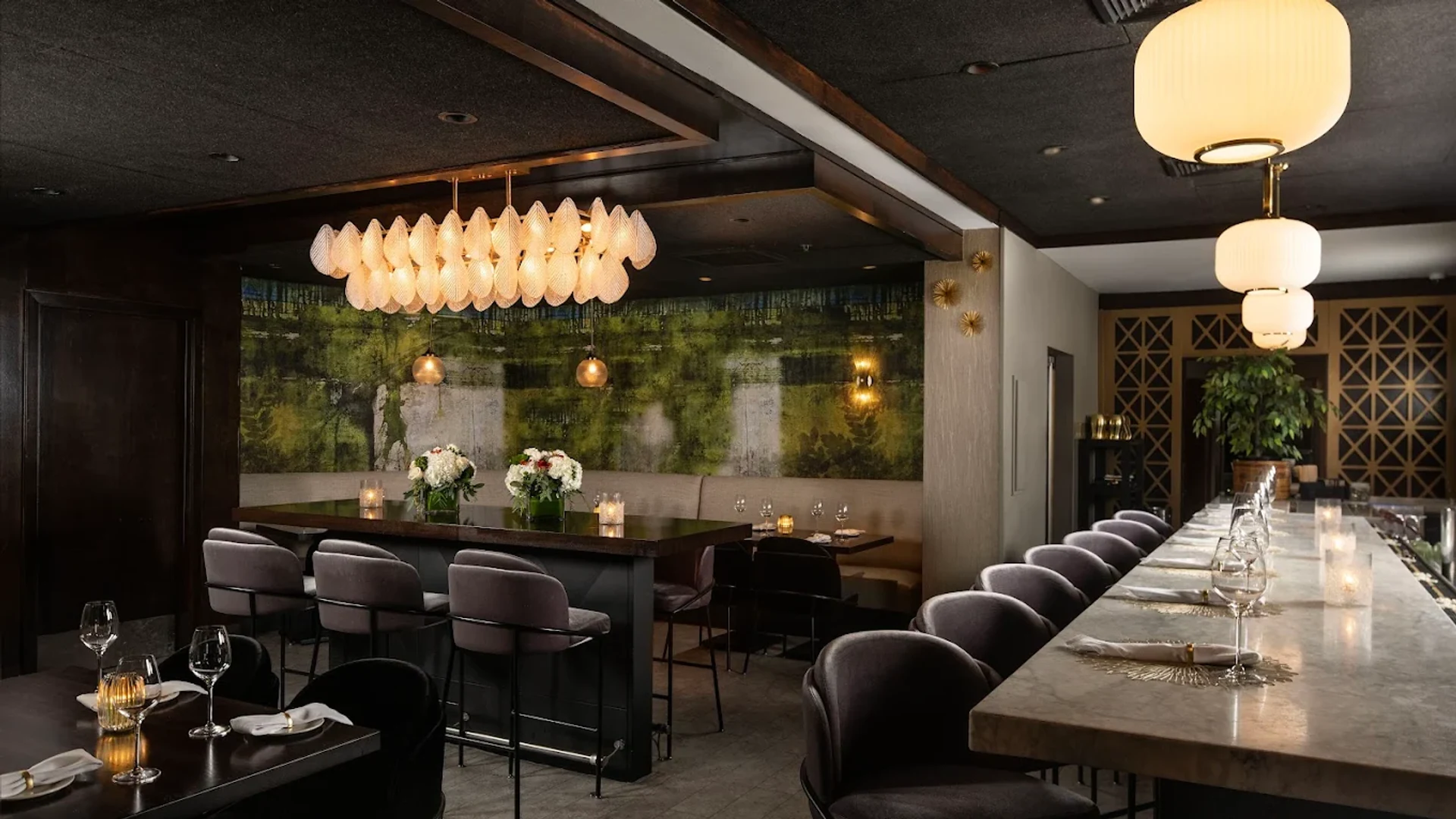
Carl Schroeder handed the keys to Market Restaurant + Bar in Del Mar to Monica and Bernd Brust on September 1, 2025. The Brusts were customers who had been eating at Market for years before they became its owners. There was no marketed listing, no broker visible in the published reports, and no competitive process around the deal. That’s the whole story, and it’s the part operators thinking about an exit should sit with.
Schroeder, a three-time James Beard semifinalist, ran the room at 3702 Via De La Valle for 19 years. A restaurant like that is built on the owner’s passion, and that passion is the first thing at risk when the room sells to someone who doesn’t share it. When he was ready to step back, he picked a buyer who already loved the restaurant. That’s a different kind of transaction from a marketed process, and it carries different economics.
The Stewardship Sale
The published reports name no broker, disclose no price, and describe no marketing timeline. The Brusts are introduced as longtime Market regulars and fans, and Schroeder’s quoted reason for stepping back has nothing to do with a number; he’s talking about his team. He said of the kitchen, “I look at them as family,” and added that John Thompson and the rest “deserve their own shot.”
Inside the broker community we tend to call this kind of deal a stewardship sale. The seller is prioritizing what happens after the wire transfer clears, meaning the staff stay in place, the concept holds, and the restaurant keeps its standing in the community. He’s accepting whatever pricing dynamic comes from a buyer pool of one. The Brusts committed to a family-owned model focused on sourcing from local farms, kept the core kitchen team in place under Thompson (now Executive Chef), and signaled gradual refinement rather than a rebrand. The changes they’ve flagged are modest, mainly expanded hours and a broader wine list, with the concept itself staying intact.
The Trade-Offs of a Relationship Sale
For an operator thinking about an exit, the stewardship path gets you three things a marketed process can’t reliably deliver. Each one of them changes how the buyer underwrites the room, and how the seller has to think about price.
Buyer Alignment From Day One
Monica and Bernd Brust knew what Market is from the customer’s chair before they ever underwrote it. They had years of personal experience with the food, the service rhythm, the regulars, and the staff. A buyer who has eaten a hundred dinners in your room is underwriting a different asset than one who has read the P&L and walked through twice. Integration risk is lower because the relationship to the room started long before anyone drew up deal terms.
Staff Retention as a Hard Deal Term
Schroeder framed this deal publicly around his kitchen team and the chef who’s been with him since opening. When a seller is willing to walk away from a deal that doesn’t keep the kitchen intact, the buyer either accepts that as a hard term or doesn’t transact. A relationship buyer accepts that term; a financial buyer often won’t. Thompson stepping up from chef de cuisine to Executive Chef under new ownership is the kind of clean handoff that protects guest experience through the transition window.
Continuity of Concept
The Brusts have not signaled a rebrand or any meaningful repositioning of the concept. Operators who built a brand they care about and don’t want gutted after they leave often need a relationship buyer to get that outcome. A growth-platform buyer typically demands the right to evolve the concept. A regular-turned-owner usually doesn’t, because the version of the room they’re paying for is the one they fell for as customers.
The cost of choosing this path shows up exactly where you’d expect it, in a buyer pool of one or two. You don’t get a competitive process, and you don’t get bid pressure. Whatever the Brusts paid, Schroeder almost certainly accepted a number below what a fully marketed listing with the Beard credential and the Michelin recognition could have produced. He chose certainty of outcome over maximum price, and that trade is reasonable at 19 years in even if it would be much harder to defend at five.
Preconditions for a Stewardship Exit
The stewardship sale requires three things the operator has to set up long before the exit conversation is on the table. None of the three can be manufactured in the final stretch when a sale is already in motion.
-
A Financially Capable Regular Base The Brusts had to be in the dining room for years before this was a transaction. If your regulars are all on tipped wages, the pool of in-house buyers is empty before you ever start a conversation.
-
Kitchen Leadership That Outlasts the Founder Thompson stepping into Executive Chef is what made the deal coherent. Without a credible successor, the buyer can’t underwrite continuity, and the relationship sale falls apart.
-
An Operating Story a Non-Broker Can Read A regular who loves your restaurant still has to finance it and run it. Books that match the room are what move a fan into the owner’s chair without a deal team translating for them.
For California coastal operators thinking about an exit, if you suspect yours could land as a stewardship sale, the work starts years before the conversation. You build a regular base that includes financially capable buyers, develop kitchen leadership that can survive your departure, and keep books a buyer who isn’t a deal professional can still read.
The SoCal Coast Retirement Window
The owner-operator cohort that opened destination rooms in the mid-2000s is at the natural retirement window now. A lot of them built single, beloved coastal rooms with deep regular bases. Some will run marketed processes through firms like ours, and some will sell to a regular. The ones who sell to a regular will get the legacy outcome they want at a number a marketed buyer would never agree to, because the legacy is what they came for.
If you’re an operator considering that path, the work to make it possible begins well before you’re ready to step back. The Schroeder exit is what it looks like when the work is already done. In a year when most of the SoCal restaurant headlines have been closures, a 19-year room changing hands without losing a step is the rare piece of good news. Passing the torch to a buyer who carries the same passion is what keeps a great restaurant great.
Sources
- San Diego Magazine, “Chef Carl Schroeder Sells Market Restaurant + Bar in Del Mar to New Owners” (2025-09-03)
- WhatNow San Diego, “MARKET Restaurant + Bar Under New Ownership”
- Market Restaurant + Bar, “Team”
Businesses Mentioned
Tags