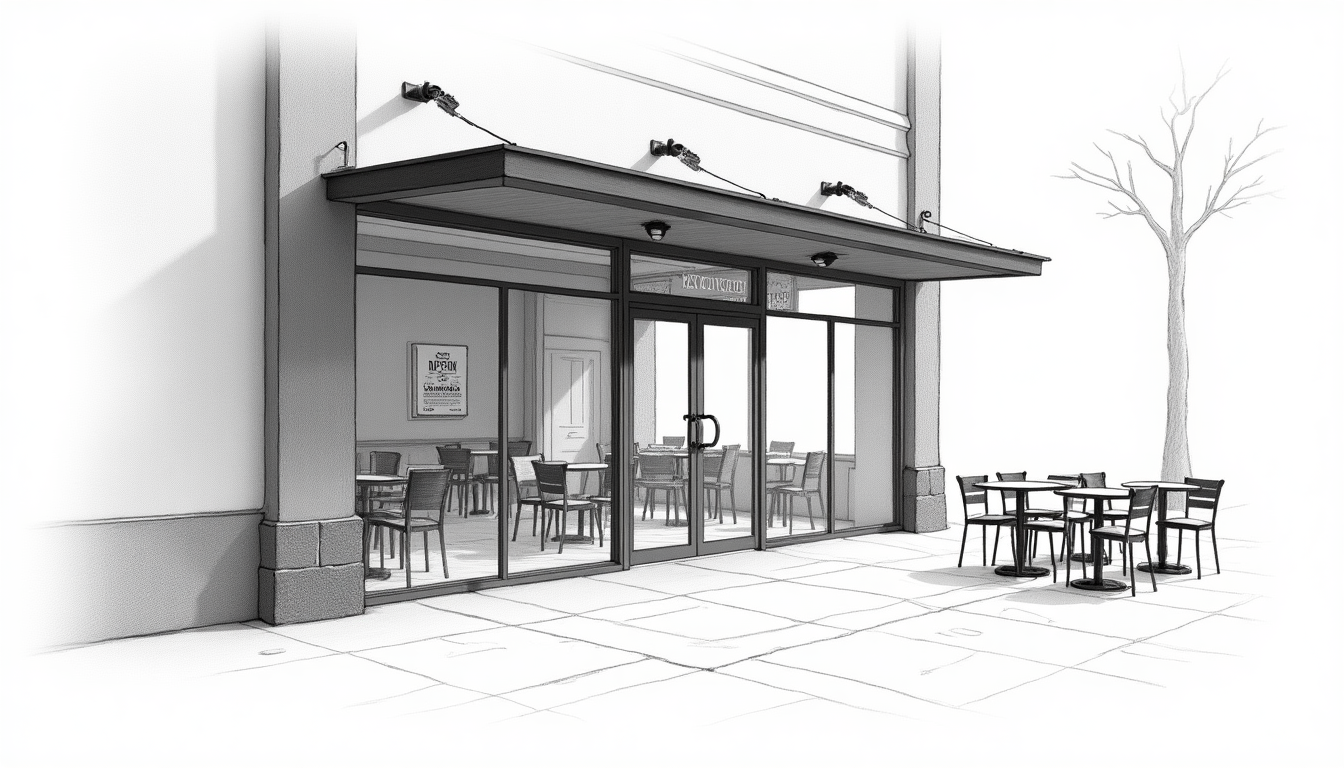
The Market by The Meat Cellar served its last meal on March 1, 2026. After 14 months in San Juan Capistrano’s River Street Marketplace, owners Anthony and Sara Villegas shut the doors. The food was well-reviewed, the Yelp page had nearly 300 reviews with strong ratings, and the concept had already proven itself at the original Claremont location.
None of it mattered because the location couldn’t support the operation.
The Villegases said it plainly: the restaurant “never saw the revenue we anticipated.” Foot traffic at the River Street Marketplace fell short of what the concept needed, and the financials never penciled out. A good concept in the wrong spot is still a failing business.
The Location Trap
This is the most common mistake I see from both first-time buyers and experienced operators expanding into new markets. They fall in love with the concept, the menu, the brand, the kitchen buildout. They underweight the one variable that matters more than all of those combined: the site.
A restaurant can survive mediocre food with great location, but a restaurant with exceptional food in a low-traffic location is fighting gravity every single day. The Meat Cellar’s story proves it. A concept that works in Claremont doesn’t automatically translate to a different marketplace 50 miles away with different traffic patterns, different demographics, and different dining habits.
What Buyers Should Evaluate
If you’re acquiring an existing restaurant or signing a lease for a new concept, the site analysis needs to go deeper than “this seems like a good area.” Here’s what I walk clients through:
Foot traffic patterns by daypart A location that’s busy at lunch might be dead at dinner, and vice versa. Drive by at 11 AM, 2 PM, 6 PM, and 8 PM on both weekdays and weekends. Count heads. The landlord’s traffic numbers are marketing materials, not data.
Co-tenancy and anchor draws In a marketplace or shopping center, who else is there? Are the other tenants driving the kind of customer who’ll stop for a meal? The Meat Cellar was in a mixed-use marketplace where the surrounding tenants may not have generated enough complementary foot traffic.
Parking and accessibility Sounds basic, but I’ve seen promising locations fail because the parking situation deterred casual dining visits. If getting to your door requires effort, your concept needs to be a destination, not a discovery.
Trade area demographics vs. your price point A $35-per-person steakhouse concept in a neighborhood where the median household income doesn’t support frequent visits is a mismatch that no amount of marketing fixes.
Lease economics relative to realistic revenue The Meat Cellar’s owners cited finances as a key factor. In many marketplace and mixed-use locations, the lease terms (base rent plus NNN, percentage rent, CAM charges) are structured for higher-volume tenants. A specialty butcher-restaurant hybrid needs a certain revenue floor to cover those costs, and if the traffic isn’t there, the math doesn’t work.
The Silver Lining for the Villegases
The Claremont location continues to operate, and the owners are actively looking for new LA and OC locations. That’s the right move because the concept works, the food is strong, and the brand has equity. They just need the right site with the right traffic to support it.
This is actually a bullish signal for buyers looking at restaurant concepts that have closed due to location issues. A proven concept with an established brand, loyal customer base, and operational playbook that simply needs a better site can be a strong acquisition target, often at a discount because the seller has already absorbed the lesson.
What Sellers Should Know
If you’re operating in a location where traffic is declining or never materialized, the hardest conversation you’ll have is about timing. Every month you stay in a bad location burns cash that could be funding your next chapter.
The Meat Cellar lasted 14 months. Some operators hold on for three or four years, hoping traffic will pick up, hoping a new anchor tenant will save the center, hoping the next season will be different. That hope is expensive.
The best time to evaluate your options is before the financials force the decision. If the location isn’t working, a structured exit or relocation while the brand still has value gives you leverage that disappears the longer you wait.
Businesses Mentioned