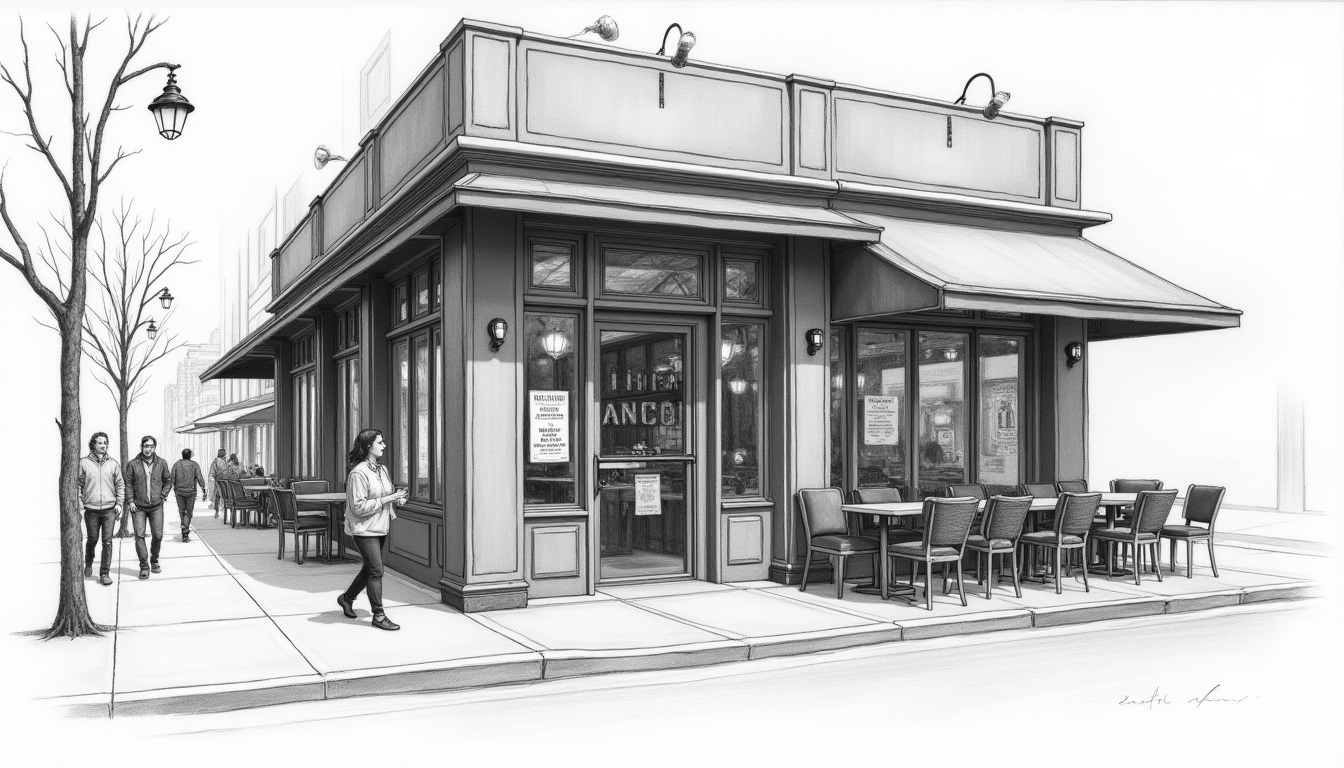
On February 19, King & Queen Cantina permanently closed at 1490 Kettner Boulevard in Little Italy. The California Department of Alcoholic Beverage Control had suspended its liquor license. For a concept built on the nightlife experience, that’s not a setback. That’s a death sentence.
This follows the shutdown of Mr. Tempo Cantina in the Gaslamp Quarter’s Theatre Box complex, which spiraled into lawsuits alleging nearly $1 million in unpaid rent, fraud, negligent misrepresentation, civil extortion, and breach of fiduciary duty. The Theatre Box’s shared liquor license was revoked entirely after repeated nuisance conditions, including a fatal shooting at the Cielo Rooftop Lounge in August 2025.
Jorge “Mr. Tempo” Cueva built his brand on atmosphere, social media presence, and a nightlife-forward dining model. The collapse of that brand in San Diego’s two most prominent dining corridors is worth examining for what it reveals about the specific risks of liquor-dependent business models.
The ABC Is Not a Building Inspector
Most restaurant owners interact with their city’s health department and fire marshal regularly. The ABC is different. It operates as a state-level regulatory body with the authority to suspend or revoke your liquor license based on conditions that extend well beyond your four walls.
Nuisance complaints from neighbors. Over-service incidents documented by law enforcement. Repeated calls for service at or near the premises. Violent incidents on the property. Any of these can trigger an investigation, and once the ABC opens a file, the timeline is theirs, not yours.
For a restaurant where food is the primary revenue driver and alcohol is supplementary, a temporary license suspension is painful but survivable. You adjust the menu, push non-alcoholic options, and wait it out.
For a concept where the bar IS the business, where the ticket average depends on bottle service, craft cocktails, and late-night energy, a suspension doesn’t just cut revenue. It kills the reason customers walk through the door. King & Queen Cantina couldn’t operate as a food-only restaurant. The model didn’t work without the liquor license.
The Shared License Problem
The Theatre Box situation introduces a risk that most operators don’t think about until it’s too late: shared liquor licenses in multi-tenant entertainment complexes.
When your license is tied to a building or a complex rather than to your individual unit, you inherit the behavior of every other tenant. The fatal shooting at Cielo Rooftop Lounge didn’t happen inside Mr. Tempo Cantina. But it happened inside the same license umbrella. When the ABC revoked the Theatre Box’s license, every food and beverage tenant in the building lost their ability to serve alcohol.
I see this come up in due diligence more often than you’d expect. A buyer evaluates a restaurant space, the financials look clean, the concept is solid, and the liquor license appears to be in order. But the license belongs to the landlord or the building, not the tenant. That means your ability to serve alcohol is contingent on every other tenant’s behavior and the landlord’s willingness to maintain the license in good standing.
If you’re evaluating an acquisition in a mixed-use or entertainment complex, verify who holds the license and what conditions could trigger a review. This is a due diligence item that can make or break a deal.
The Valuation Gap Between Food-First and Nightlife-First
Every restaurant serves some combination of food and beverage. The question is which one drives the P&L.
A food-first restaurant with a strong bar program might generate 25-30% of revenue from alcohol. The food carries the concept. The bar improves margins. If the bar disappeared tomorrow, the restaurant would take a hit but survive.
A nightlife-first concept reverses that ratio. Alcohol represents 50-70% of revenue. The food is a vehicle for keeping people in seats and meeting minimum food service requirements for the liquor license. The atmosphere, the DJ, the Instagram-friendly decor, the bottle service: that’s the product.
From a valuation perspective, the risk profiles of these two models are fundamentally different. Food-first restaurants carry operational risk. Nightlife-first restaurants carry operational risk plus regulatory risk plus reputational risk that compounds with every incident.
I’m not saying nightlife concepts can’t be valuable. Plenty are. But buyers need to price in the reality that a single ABC action can zero out the business overnight. That risk should be reflected in the multiple, and it often isn’t.
What Happens to the Space
King & Queen Cantina sat at 1490 Kettner Boulevard in one of the most desirable restaurant corridors in San Diego. Little Italy’s India Street and Kettner Boulevard stretch continues to command premium rents and attract national attention.
The space won’t stay empty long. But the next operator will face a question that the previous one didn’t have to answer: is the ABC history attached to this address going to make it harder to secure a new license?
The ABC tracks premises history. A location with prior license revocations or suspensions can face additional scrutiny during the application process. It’s not disqualifying, but it adds time, cost, and uncertainty to what’s already a complex process in California. A Type 47 license application for a full-service restaurant in San Diego County currently takes 60-90 days under favorable conditions. A premises with history can push that timeline significantly.
For buyers looking at former nightlife spaces in Little Italy or the Gaslamp, factor this into your timeline and your offer. The physical space might be turnkey. The licensing situation might not be.
The Pattern Worth Watching
The Mr. Tempo collapse isn’t isolated. Across San Diego, the nightlife-heavy concepts that boomed during the post-COVID social-media-driven dining surge are facing a correction. The formula of “Instagram atmosphere plus expensive cocktails plus celebrity branding” worked when consumers were spending aggressively. In a market where restaurant margins are compressed and consumers are more selective, the concepts that survive are the ones where the food justifies the visit independent of the bar program.
For sellers: if your restaurant generates the majority of its revenue from food and your liquor license is clean, that’s a selling point worth emphasizing. Buyers are paying attention to regulatory risk in a way they weren’t three years ago.
For buyers: ask about ABC history on every deal. Pull the license status yourself through the ABC’s online portal. And if the concept you’re evaluating can’t survive a 90-day license suspension, price that fragility into your offer.
The best restaurants in San Diego are the ones where the food brings people in and the bar makes the check bigger. When the bar is the only reason people show up, you’re one ABC letter away from having nothing to sell.
Businesses Mentioned