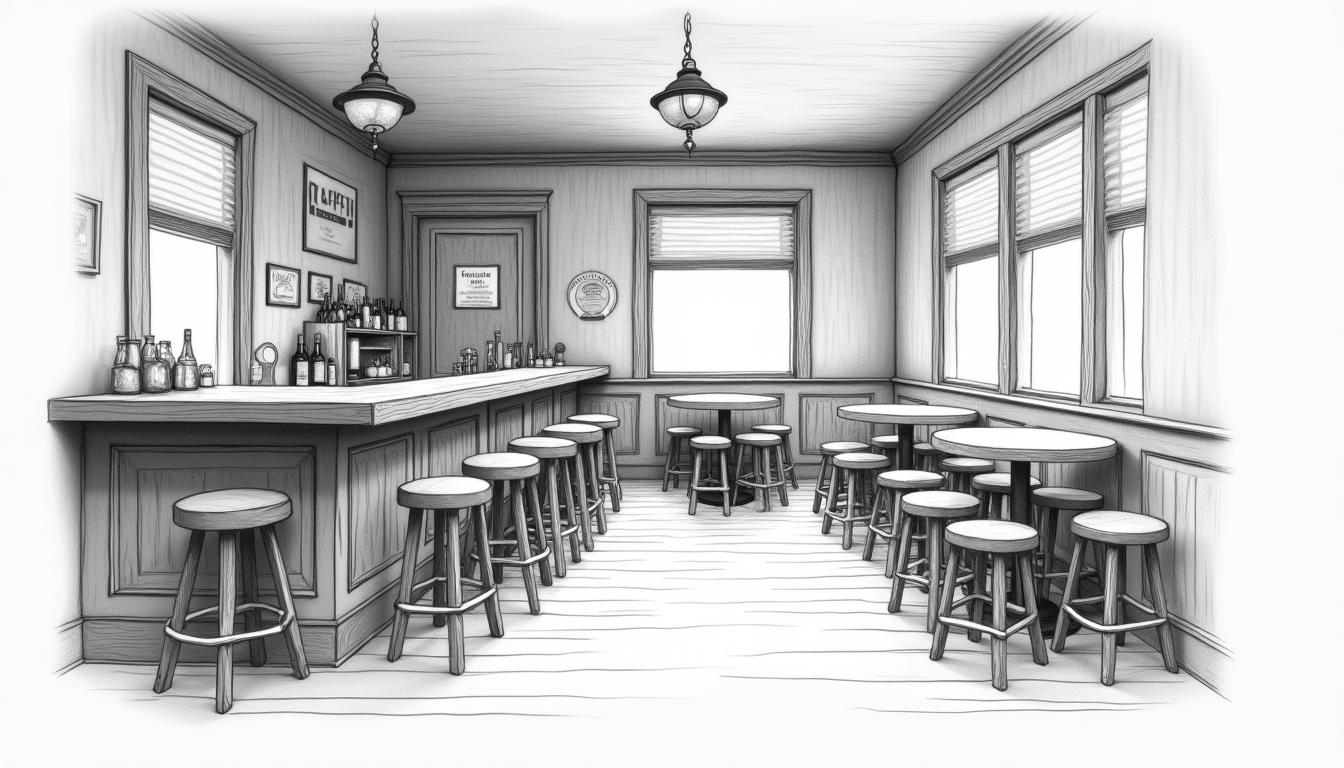
Panama Bar Cafe in downtown Chico closed February 21 after 40 years. Cafe Jacqueline in San Francisco, famous for its souffles, shut down after 46 years. Uzen, a Japanese restaurant in Oakland’s Rockridge neighborhood, closed January 31 after 34 years. The Trident in Sausalito, a waterfront restaurant with over a century of history, went dark at the end of 2025.
Four restaurants. Combined 240-plus years of operation. All gone within a few months of each other.
The easy read on this is decline. “Restaurants are closing everywhere.” But that misses the real story. These weren’t failing restaurants taken out by competition or bad management. They were institutions that outlasted most businesses in any industry. The question worth asking isn’t why they closed. It’s what happened in the final chapter, and whether the owners left on their own terms.
The Pattern Behind the Closures
Each of these restaurants had something in common beyond longevity. They were owner-driven concepts that never separated the business from the person running it.
Cafe Jacqueline was built on one chef’s vision for over four decades. Panama Bar was a community anchor in downtown Chico, known for its 31-flavor Long Island ice teas and a personality that belonged to a specific place and time. Uzen served the Rockridge neighborhood for 34 years with a focus on traditional Japanese cuisine that didn’t chase trends. The Trident carried Sausalito’s waterfront identity across multiple eras.
These are the kinds of businesses that don’t get acquired. They get closed. Because by the time the founder is ready to step away, the brand equity, the customer relationships, the operational knowledge, it all lives in one person’s head. There’s no management team waiting to take over. There’s no documented operations manual. There’s no second-generation plan.
The restaurant closes not because it failed, but because it can’t exist without its founder.
Why Longevity Can Work Against You
Here’s the counterintuitive part. Running a restaurant for 30 or 40 years can actually reduce your exit options if you’re not intentional about building transferable value along the way.
A restaurant with 10 years of strong financials, a general manager who runs the floor, standardized recipes, and a team that doesn’t depend on the owner to open every morning, that business has a buyer. Maybe several. The cash flow is proven, the operations transfer cleanly, and the new owner can step in without the customers noticing.
A restaurant with 40 years of history where the owner is the host, the chef, the bookkeeper, and the brand all at once, that business has a fan base but not a buyer. The valuation drops because the risk of customer loss post-sale is too high. The goodwill is real but it’s not transferable.
I’ve seen this play out in Southern California more times than I can count. A beloved neighborhood spot where the owner delayed selling because things were “still good.” By the time they were ready, the building needed work, the staff had turned over, and the trailing financials showed the slow decline that happens when an operator checks out emotionally before checking out financially.
What These Closures Tell Us About the Bay Area Market
Northern California’s restaurant landscape in early 2026 is a study in creative destruction. The same weeks that legacy restaurants closed, new concepts opened across the Bay Area. Maria Isabel, from the team behind Presidio favorite Dalida, is launching in the old Ella’s space. Zareen’s is expanding its Pakistani-Indian concept to downtown Sunnyvale. Koi Palace relocated to a massive new space at Serramonte Center. The Cliff House is being reimagined as a four-restaurant complex.
The market isn’t shrinking. It’s churning. Older operators exit. New capital and new concepts fill the space. This is healthy for the ecosystem but brutal for founders who didn’t plan their exit while the business still had transferable value.
For owners watching from the outside, the lesson is timing. The Bay Area restaurant scene is active. Buyer interest in food and beverage across Northern California remains strong, driven by population density, disposable income, and a dining culture that supports premium concepts. But buyers want businesses that can operate independently of the founder. They’re not buying your reputation. They’re buying your P&L, your lease, your systems, and your team.
The Three-Year Rule
I tell operators this constantly: start preparing for your exit at least three years before you want it. Not because the paperwork takes that long, but because building transferable value does.
Year one, hire and train the management layer. Get yourself off the line and out of the day-to-day decisions that only you make. Document the recipes, the vendor relationships, the seasonal staffing patterns.
Year two, let the business run with you stepping back. Show up less. Let the numbers prove the operation works without you present every shift. This is the hardest part for founders who built something from scratch.
Year three, your trailing-twelve-month financials reflect a business that runs on systems, not on the owner’s daily presence. That’s when you list. That’s when a buyer sees a clean acquisition with manageable transition risk.
Skip this process and you end up where these NorCal legends did. Not failing, just closing. Quietly turning off the lights after decades of service because there was never a plan for what came next.
The Takeaway
Panama Bar Cafe, Cafe Jacqueline, Uzen, The Trident. None of them were unsuccessful restaurants. They were remarkable. Forty years in any business is an achievement most people never reach.
But longevity alone doesn’t build an exit. If you’re a restaurant owner who’s been at it for 20 years, 30 years, or more, the question isn’t whether you’ll eventually step away. You will. The question is whether you’ll sell a business or just close a door.
The difference is planning. And the best time to start was three years ago. The second best time is now.
Businesses Mentioned