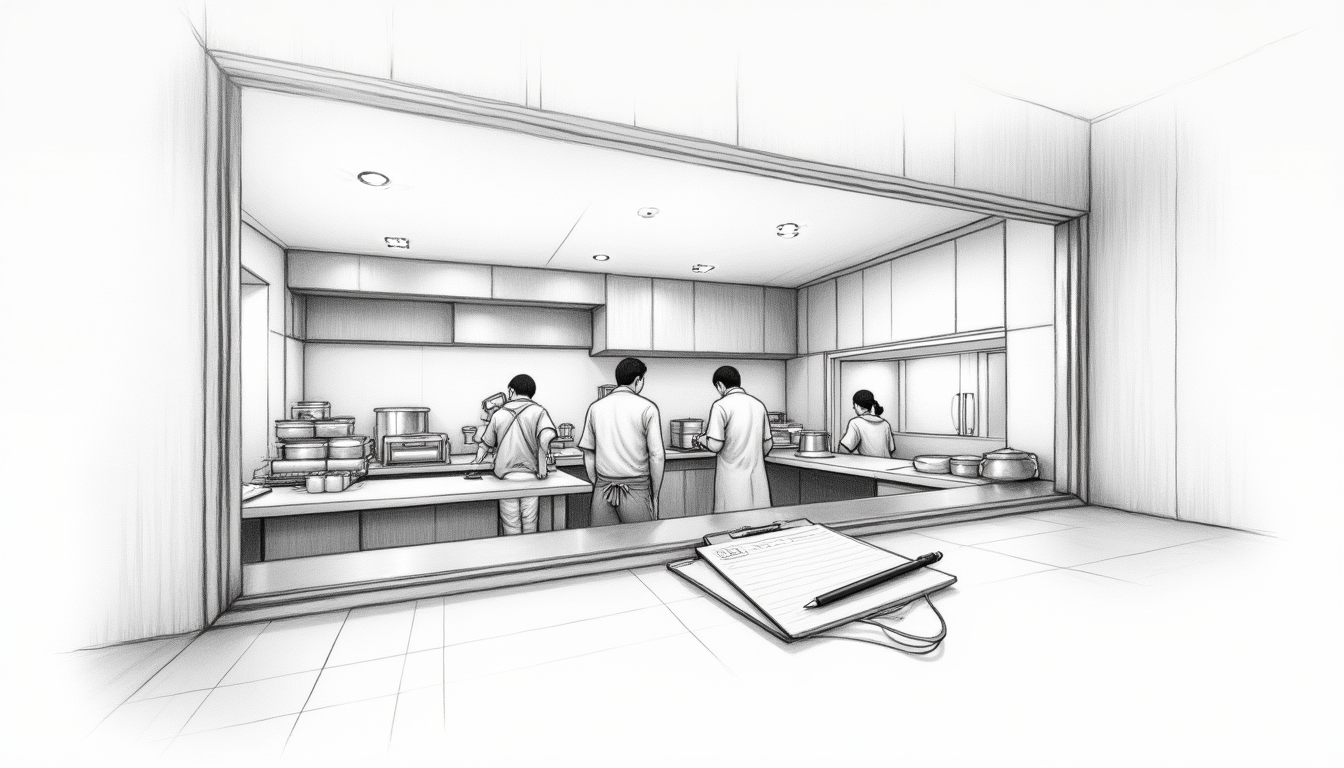
Seven Orange County restaurants got shut down by health inspectors in a single week at the end of February. Two more, Chicama Peruvian Restaurant and Sincerely Syria, followed in early March. That’s nine forced closures in roughly ten days across one county.
If you’re buying a restaurant, this should change how you approach due diligence.
The Deal Killer Nobody Checks First
Most buyers start their due diligence with financials: revenue, expenses, SDE, lease terms. All critical, but I’ve watched deals fall apart late in the process because someone finally pulled the health inspection history and found a pattern of violations that changed the entire risk profile.
Orange County’s Health Care Agency publishes every inspection, every closure, and every permit suspension online. It’s public record. And yet most buyers don’t look at it until their attorney or lender flags something during escrow, if they look at all.
A closure from the county health department isn’t like a bad Yelp review you can bury with better service. It’s a public record that follows the location, shows up in media roundups (the OC Register publishes weekly closure lists), and signals operational risk that directly impacts what a business is worth.
What Triggers a Closure
The Orange County Health Care Agency issues permit suspensions for what it calls “Imminent Health Hazards.” These aren’t minor paperwork issues. Common triggers include:
- Cockroach or rodent infestations
- No hot water or functioning handwashing stations
- Sewage backups or plumbing failures
- Food stored at dangerous temperatures
- Repeat critical violations across multiple inspections
A single closure can be circumstantial. Equipment fails, pipes break, things happen. But a pattern of violations across multiple inspections tells a different story. It reveals how the business actually operates when nobody’s watching.
What This Means for Buyers
Every restaurant acquisition should include a full inspection history review before you get deep into negotiations. Here’s what to look for:
Clean record with high scores The business is well-run operationally. This is a green flag that supports the asking price.
One closure with documented correction Probably circumstantial, and not a deal-breaker on its own. Look at what caused it and whether the fix was permanent.
Multiple closures or a pattern of critical violations Major red flag. Either the physical plant needs serious capital investment, or the operational culture has problems that won’t disappear with a change of ownership. The kitchen equipment, plumbing, and ventilation issues that cause closures are expensive to fix, and you need to factor that cost into your offer.
Recent closure with no reinspection on file The restaurant may still be operating under a corrective action plan. Verify with the county before proceeding.
How Inspection History Affects Valuation
A restaurant with a clean inspection record and consistent high scores commands a premium because it signals low operational risk. The buyer inherits a well-maintained facility.
A restaurant with a troubled inspection history is worth less, sometimes significantly. The discount isn’t just about the reputation damage. It’s about the capital expenditure needed to bring the facility up to standard and the ongoing risk that the problems are structural, not behavioral.
I’ve seen buyers negotiate 15-20% off asking price based on inspection history alone, and sellers who couldn’t justify their number once the records were on the table.
The Takeaway for Sellers
If you’re thinking about selling in the next 12-18 months, pull your own inspection records now. Fix outstanding issues before you go to market. A clean inspection history is one of the easiest ways to protect your asking price, and it costs far less to address proactively than the discount a buyer will demand after discovering problems during due diligence.
Orange County makes it easy: the full database is searchable at inspections.myhealthdepartment.com/orange-county{target=“_blank” rel=“noopener”}. San Diego County has a similar public portal. If you’re buying or selling anywhere in SoCal, start there.