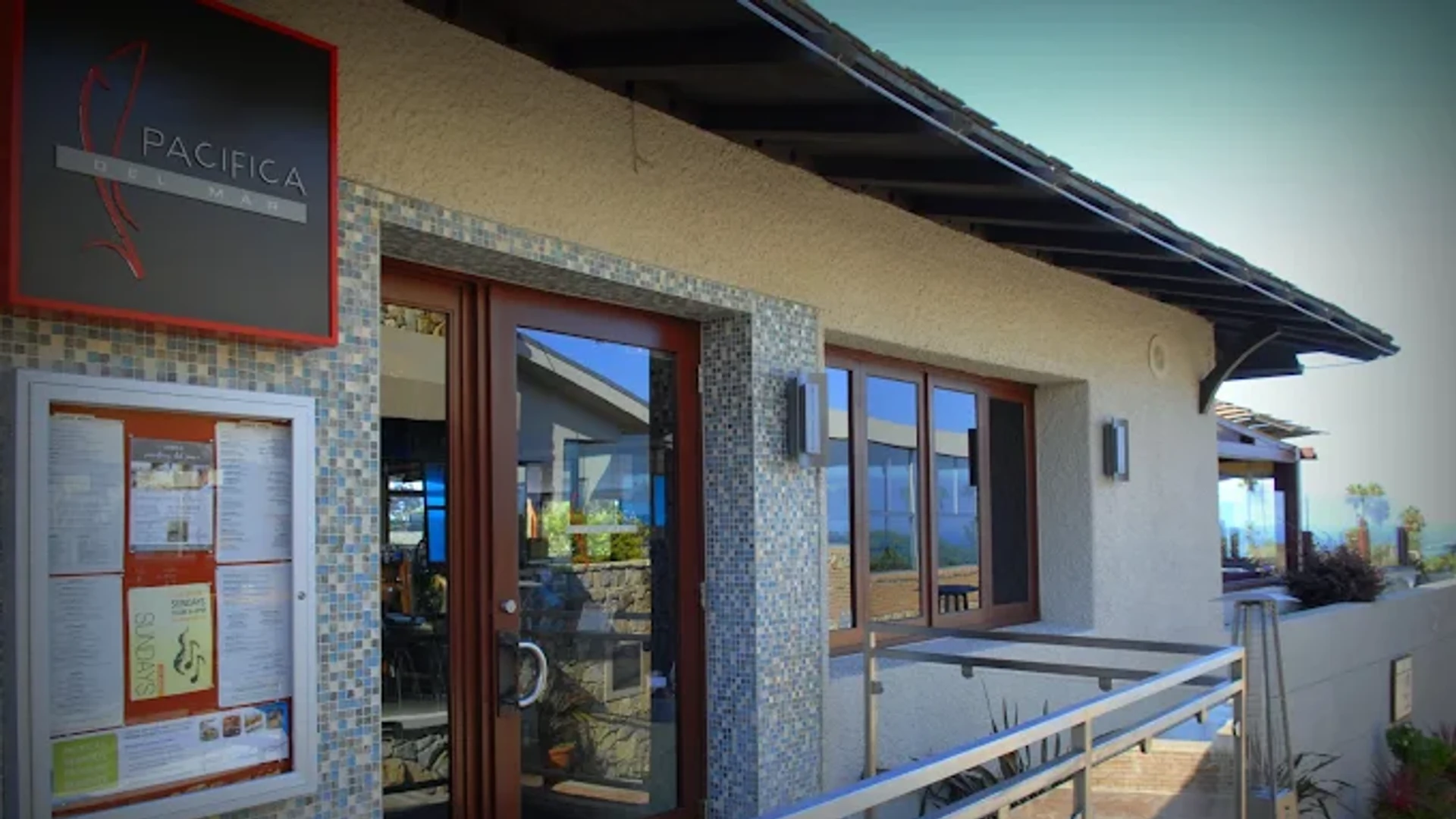
Pacifica Del Mar, the oceanview restaurant that opened with Del Mar Plaza in 1989, will serve its last guests in December after nearly 37 years. The landlord, Brixton Capital, declined to renew the lease while it reworks the tenant mix at the 76,000-square-foot plaza it has owned since 2017. For a restaurant that spent close to four decades as the plaza’s dining anchor, the ending came from the property owner’s plans rather than anything on the menu or in the books.
A Landlord Resetting the Plaza
Brixton has spent 2026 refreshing Del Mar Plaza top to bottom. Valley Farm Market and the restaurant High Marea took the ground-floor grocery and dining space, Desserts by Clément opened upstairs, and La La Land Café, a Los Angeles brand making its first San Diego move, signed for the mezzanine corner that Pacifica’s sibling café vacated in April. A few blocks away, Hillstone’s Honor Bar arrived in Del Mar this fall, part of the same upmarket turn along the coast. Brixton’s chairman called the La La Land deal “a powerful validation” of the plaza’s “ongoing transformation,” and management says a new operator for the Pacifica space will be named in the coming months.
None of that is a knock on the outgoing tenant, because a property owner repositioning a trophy retail asset is making a portfolio decision about rent, foot traffic, and the brands it wants the plaza associated with for the next 20 years. A 37-year independent with a loyal following and a flat legacy rent can be the wrong fit for that plan, however good the restaurant is.
The Lease Is the Asset
The Pacifica closure is a plain reminder that the lease, not the brand, sets how long a restaurant gets to run. An operator can post strong numbers for decades and still reach a renewal where the property owner wants something else in the space. Brand equity, a following built over years, and a signature location are real value, but they sit on top of a lease term. When that term ends without a renewal option the tenant controls, the value has nowhere to go.
This is the part of a deal that often gets the least attention and deserves the most. Owners pour years into building a business on a site they do not control, treating a decade of goodwill as if it were permanent. It is only as durable as the next renewal, and the leverage in that conversation belongs to whoever owns the dirt.
Buying a Restaurant Means Buying Its Lease
For a buyer, remaining lease term and renewal options are the first thing to price, ahead of the equipment or the brand. A strong restaurant with three years left and no extension is a different asset from the same restaurant with fifteen years of secured control. The first is a business on a clock; the second is a business with a runway. A restaurant valuation that ignores the lease is not a valuation at all, because the right to occupy the space is what the buyer is actually acquiring.
The same logic runs in both directions. Sellers get full credit for a long lease with options and clean assignment terms, and they take a discount, or lose buyers entirely, when the term is short or the landlord holds a consent right over any sale. The strongest position an operator can hold is control of the real estate itself, and failing that, a lease long enough and transferable enough to carry a sale. Working those terms years before an exit, through careful lease negotiation and a clear view of the commercial real estate around the site, is what keeps a landlord’s repositioning from setting the timeline for the operator.
Pacifica had the brand, the view, and nearly four decades of regulars. What it did not have, at the end, was control of the space. That is the one line on the balance sheet a great restaurant cannot afford to leave to someone else.
Sources
- The Coast News, “After nearly 37 years, Pacifica Del Mar to close in December”
- CBS 8, “After 37 years, Pacifica Del Mar plans to close after lease not renewed”
- Brixton Capital, “Wildly Popular La La Land Café is Coming to Del Mar Plaza”
- San Diego Business Journal, “Plaza Buyers Looking for Right Mix to Make Property Shine”
Tags