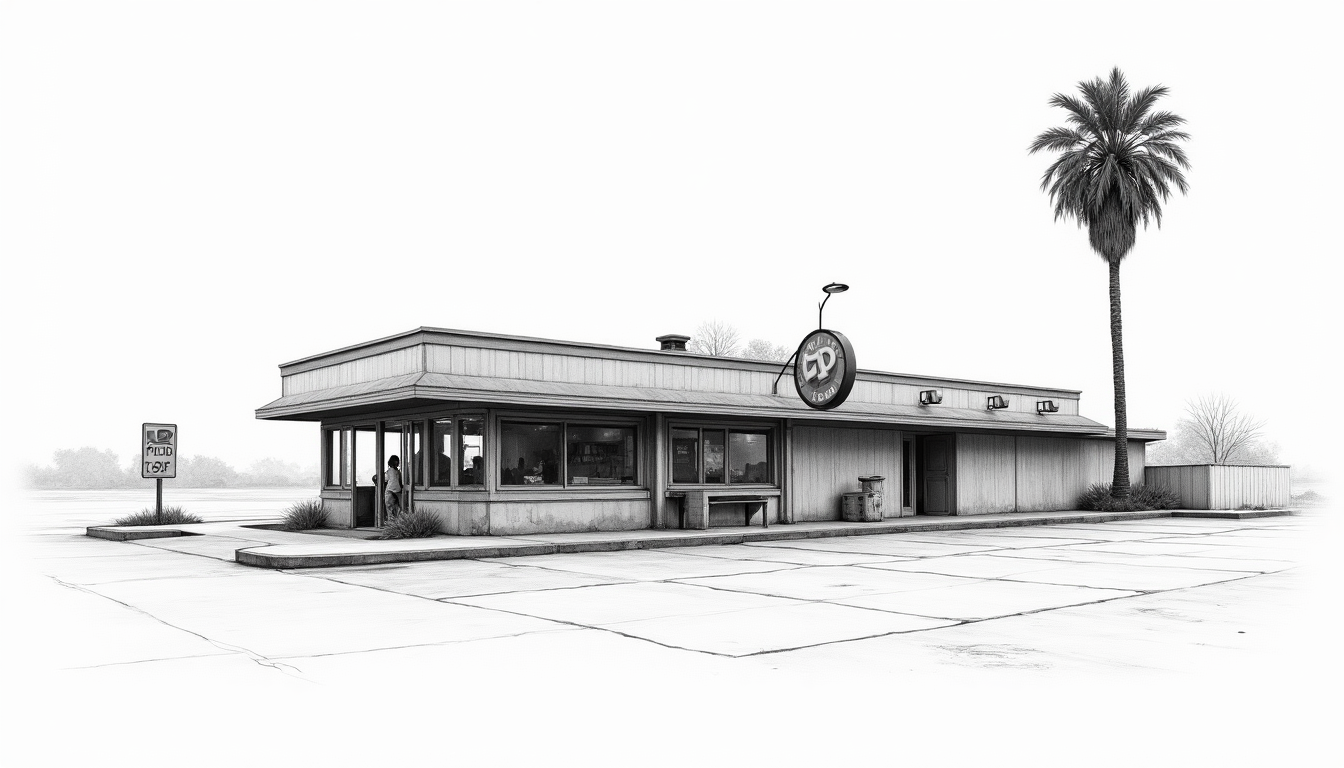
Yum Brands opened a formal strategic review of Pizza Hut in November 2025, with Goldman Sachs and Barclays running the process and outcomes that range from a full divestiture to a joint venture or a minority stake sale. Pizza Hut entered 2026 announcing it will close 250 underperforming U.S. units in the first half of the year, roughly 4% of the chain’s domestic footprint, as part of a Hut Forward program after a 1% same-store sales decline globally in 2025. Cowen estimates a full sale could clear $3.4 billion after tax. Reuters has reported Sycamore Partners, Apollo Global Management, and LongRange Capital among the potential buyers in exploration.
Yum running a strategic review on its second-largest brand is a corporate finance story on its face. The wave of second-generation restaurant real estate that 250 Pizza Hut closures plus parallel chain closures are about to put back on the market matters for SoCal F&B this cycle.
What the 2026 closure wave is putting on the market
Pizza Hut is closing 250 U.S. units in H1 2026. Wendy’s is closing 300 to 350 underperformers in the first half. Papa John’s is shedding around 300 restaurants from its U.S. footprint by year-end. Subway took 729 stores out of the system in 2025 and is continuing rolling closures into May. Jack in the Box has closed more than 70 in 2026 with additional shutdowns expected before year-end. Smokey Bones finished its full national wind-down on April 28 following parent FAT Brands’ January 2026 bankruptcy. The cohort, taken together, puts roughly 1,500 to 1,800 closed second-generation restaurant boxes back on the market inside a single calendar year, before counting independent attrition.
McFadden Finch and Restaurant Dive coverage of the Pizza Hut footprint specifically frames the H1 closures as part of an asset-light pivot away from owned hard real estate toward a digital-first delivery and carryout shape. The closures are concentrated in underperforming dine-in boxes, which is exactly the inventory type a second-generation independent operator wants, with built-out kitchens, grease traps, hood systems, and Type 1 or Type 2 footprints already framed for foodservice use.
How the closures land on SoCal second-generation pricing
The supply spike in second-generation foodservice space is going to compress lease rate expectations on tired dine-in boxes across SoCal corridors that already have soft fundamentals. Suburban anchor pads in Kearny Mesa, Mira Mesa, and the Sports Arena corridor, freestanding pizza-format boxes across North County inland, and tertiary mall food court positions in Mission Valley and Orange County are the inventory shapes the closure wave is unloading. Landlords with a closed Pizza Hut box on a 10-year remaining-term restaurant lease, sitting next to a closed Wendy’s pad on a 15-year, are going to be more flexible on rent reductions, TI dollars, and concessions than they were 18 months ago.
The buyer-side opportunity is real for the operator with a clean P&L on the existing room who is structurally ready to expand. A second location on a renegotiated lease in a previously cost-prohibitive corridor, with the build-out already framed for foodservice, compresses the timeline from LOI to grand opening from 12-18 months down to 4-6 months. The credentialed independent operator who built the original room around the owner’s own labor and a self-financed runway, the profile we covered across the California coastal cohort last week, is the operator best positioned to absorb a second box at compressed cost.
The seller side is more uneven across the inventory mix this cycle. A clean P&L on a residential-corridor full-service room with a solid lease structure and owner-operator economics is the asset the multi-room platform wants. A second-generation dine-in box on a suburban anchor pad with a cost-burdened lease, no real estate component, and no clear daypart differentiation is exactly the inventory the closure wave is flooding the market with, and the bid-ask spread on that shape is going to widen through H2 2026 for anyone trying to sell a restaurant in that profile.
SoCal Operators on Both Sides of the Wave
The Yum strategic review and the parallel chain closures are going to reshape the second-generation F&B real estate stack across San Diego, Orange County, and the broader SoCal corridor through the back half of 2026. The buyer with operator credentials and a clean P&L is going to find better deals on better real estate than the market has offered since 2020. The seller with a tired second-generation box on a cost-burdened lease is going to face a wider spread, longer days-on-market, and tougher comparables driven by the chain inventory hitting the same buyer pool.
The operator who reads the supply curve early is the one who picks up the right box at the right rent. The operator who waits for the market to settle is the one absorbing the compression on the other side. If either side of this picture maps to your room and you want to talk it through, let’s have a confidential conversation.
Sources
- CNBC, “Yum Brands to review strategic options for Pizza Hut, opening the door to a sale” (2025-11-04)
- Restaurant Dive, “Pizza Hut to close 250 stores” (2026)
- 1851 Franchise, “Pizza Hut Sale? Yum! Brands Weighs Divestiture and 250 Store Closures”
- QSR Magazine, “On Verge of Potential Sale, Pizza Hut Remains a Brand in Transition”
- McFadden Finch Holdings, “Pizza Hut Strategic Review (2026)”
- Fox Business, “Jack in the Box closes dozens of restaurants amid financial struggles”
- The Sun, “5 biggest restaurants closing locations in May”
- Tasting Table, “The 6 Biggest Chain Restaurant Closures Of 2026 So Far”
Businesses Mentioned
Tags