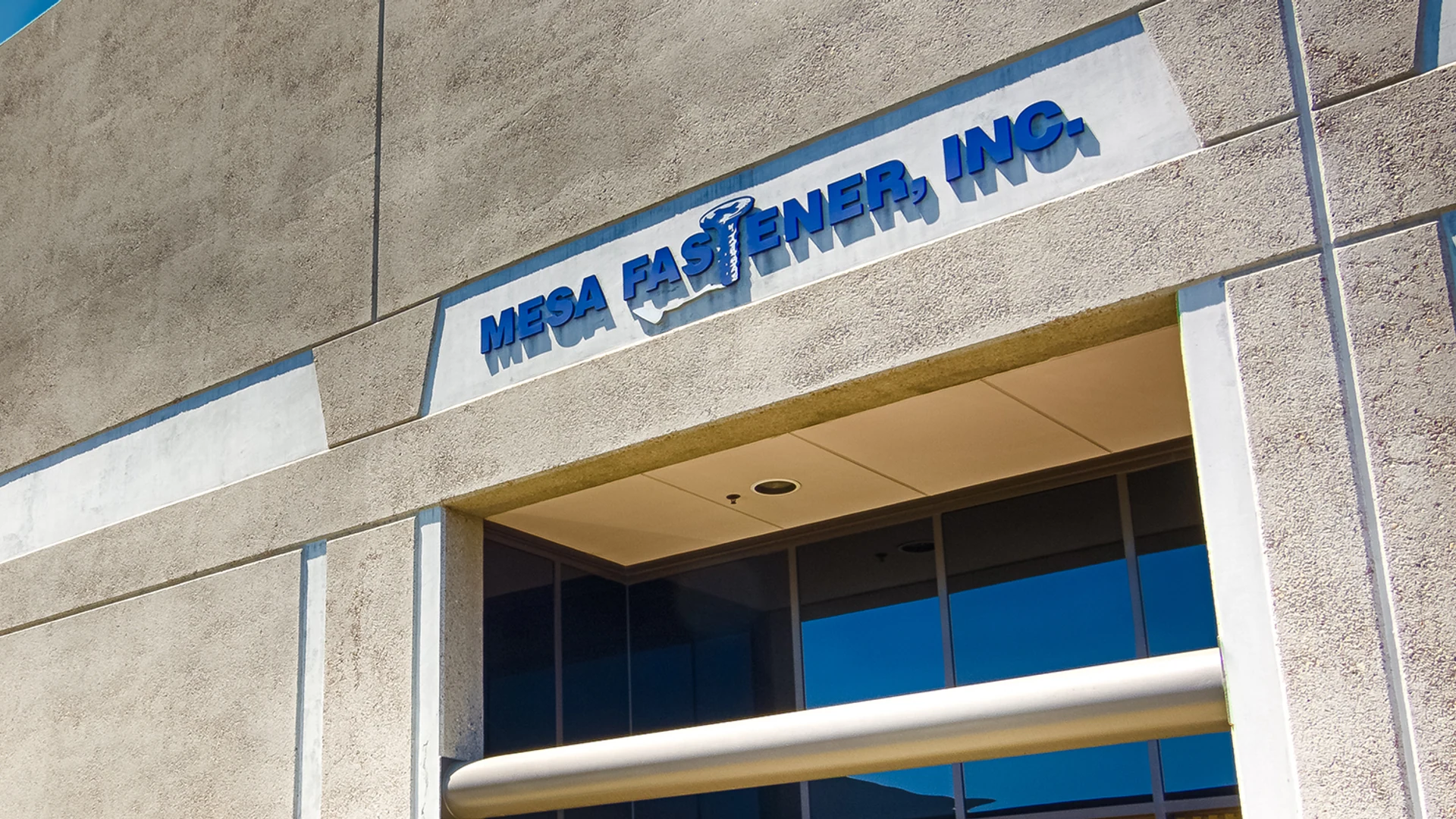
Mesa Fastener sells screws. The San Diego distributor has stocked commercial threaded fasteners since 1977, and its catalog runs to more than 10,000 items, blind rivets and bolts and anchors and washers. In September 2025 it sold to Raymond Capital Management, a St. Louis private equity firm, in a deal advised by Generational Group. No purchase price was announced, and no local outlet ran the story on a front page. It is exactly the kind of transaction that describes where the San Diego business market actually clears.
The headline deals in this county go to Qualcomm, Illumina, and the life-sciences names that draw strategic acquirers. The steady volume runs somewhere quieter, through distributors, plumbing contractors, waste haulers, and specialty manufacturers that most people never think about twice. Those are the businesses changing hands, and the buyers have been getting organized.
San Diego Built Its Own Buyers for This
Seaside Equity Partners operates out of San Diego and describes its mandate as control investments in providers of mission-critical services across the Western U.S. Since 2017 the firm has completed more than 65 acquisitions backed by over $1.2 billion in equity commitments, with a $580 million flagship fund and a $160 million second vehicle behind it. Its portfolio reads like a list of jobs that have to get done regardless of the economy, plumbing, facility management, environmental services, road maintenance, and waste disposal.
Astraeus Ventures works the smaller end of the same county. The San Diego firm targets business services, manufacturing, and distribution companies generating between $1 million and $10 million in revenue, a range most institutional buyers will not touch, which gives founder-owned operations a local exit that did not exist a decade ago. One San Diego M&A advisory counts 92 private equity funds based in the county holding roughly 1,690 portfolio companies as of May 2026. The capital is here, and it is hunting predictable cash flow.
What Actually Trades, and for How Much
That same advisory pegs local lower-middle-market activity at 150 to 200 announced transactions a year, with most closing between $10 million and $75 million in enterprise value. The multiples tell the rest of the story. Industrial services and outsourced business services trade in a range of five to eight times adjusted EBITDA, and specialty manufacturing sits in the same band. A distributor with clean books, recurring customers, and a management team that survives the sale can command the top of that range without a marquee brand or a growth narrative.
Durability is the asset these buyers price, and a fastener distributor or a waste hauler delivers it without a hot concept or a growth story. Both kinds of business generate predictable earnings from customers who reorder, which is what a private equity buyer underwrites against its cost of capital. The plainness of the operation is exactly what makes it financeable.
The Sellers Are Aging Out
Demand has organized itself because supply is arriving on a demographic schedule. Roughly 10,000 Americans reach retirement age every day, and a large share of them own the exact companies these funds pursue. San Diego and Orange County figure heavily in the coming ownership transfer, where McKinsey projects millions of small and medium businesses changing hands through 2035 and closure remaining the default exit for owners without a plan. The same pattern appeared across San Diego’s mid-year dealmaking, which spanned biotech, defense, and hospitality in a single quarter.
Financing has moved in the sellers’ favor at the same time. The federal government doubled the combined SBA loan cap to $10 million in July, widening the pool of individual buyers who can compete with institutional capital on lower-priced deals. More qualified buyers at the bottom of the market push valuations up for owners who prepare before they list.
What Makes a Boring Business Sellable
The Mesa Fastener sale rewards what owners can build years ahead of an exit. Those assets include documented processes, a customer base that does not depend on the founder’s personal relationships, a second layer of management, and clean financials a buyer can trust in due diligence. Those four qualities separate a business that draws competing offers from one that closes its doors when the owner retires.
Fewer than a third of retiring owners have a formal succession plan, and the businesses that fail to sell usually stumble on readiness, not price. The companies clearing the San Diego market at strong multiples are the ones whose owners prepared for the sale years in advance. For owners weighing that horizon, a structured exit plan built two or three years out is what turns a durable business into a sold one.
Sources
- Industrial Supply Magazine, “Mesa Fastener bought by Raymond Capital Management”
- Seaside Equity Partners
- Axial, “Top San Diego Independent Sponsors with Recent Private M&A Activity”
- CT Acquisitions, “M&A Advisory in San Diego”
Businesses Mentioned
Tags