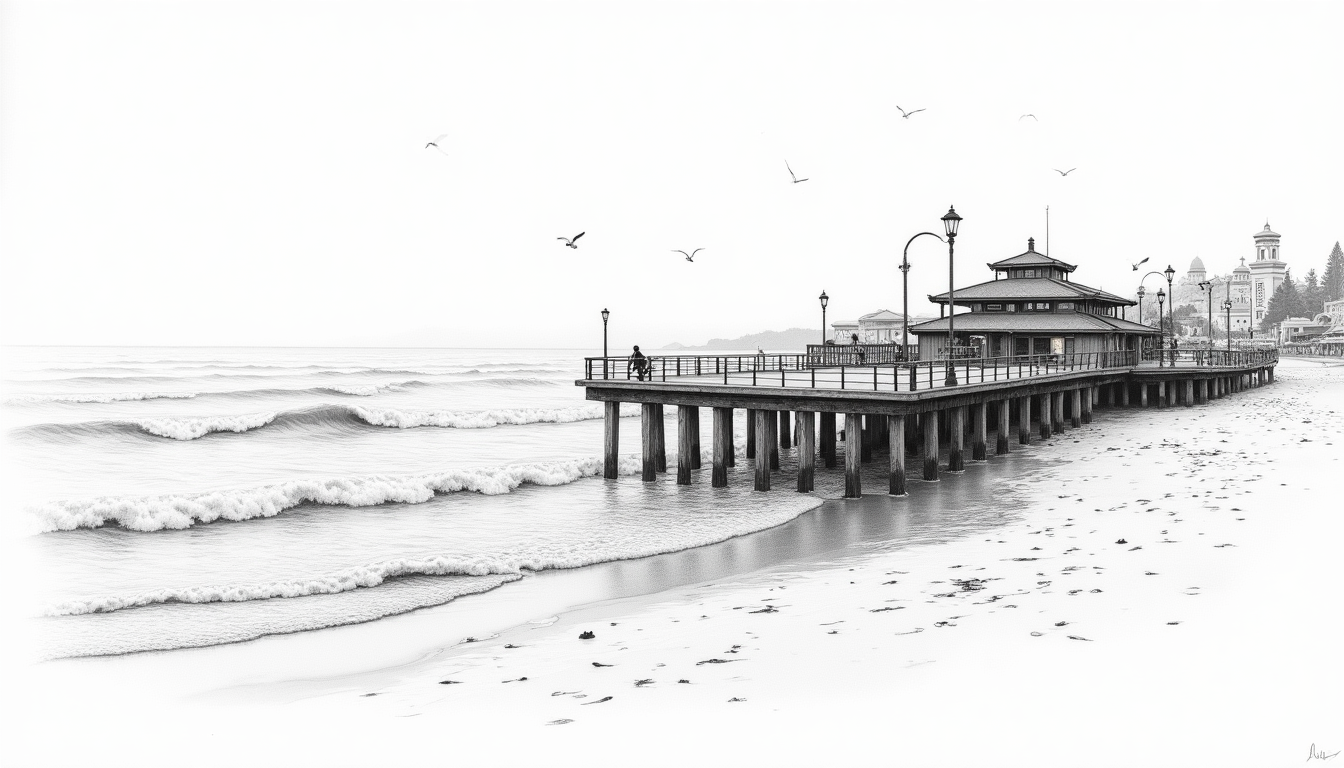
On December 23, 2025, high surf slammed into the Santa Cruz Municipal Wharf and took 150 feet of it into the ocean. The Dolphin Restaurant, which had operated on the wharf for decades, went with it. The wharf reopened on January 4 after a roughly two-week closure, and reconstruction on about 60 feet of rebuilt structure is expected to wrap up this month. But the Dolphin Restaurant will not return, and city officials say there are no current plans for its revival.
The Impact on Wharf Businesses
The collapse happened two days before Christmas, which is peak season for the roughly 20 businesses and restaurants that operate on the wharf. The timing could not have been worse, as every business on the structure was forced to close during a period when many of them generate a disproportionate share of their annual revenue. One business owner estimated losses of $20,000 from the weeklong holiday closure alone, and that figure only accounts for a single operation on the wharf.
Stagnaro Bros, another longtime wharf restaurant, temporarily shuttered as well. The structural uncertainty forced all operators to absorb not just the direct revenue loss but also the cost of spoiled inventory, cancelled reservations, and the reputational damage that comes when customers don’t know if a business is open or not.
For the Dolphin Restaurant specifically, the loss was total and irreversible. The physical space is gone, the section of wharf where it stood no longer exists in its original form, and the city has not indicated any plans to rebuild commercial space in that location. The restaurant’s owner also operates other businesses on the wharf, which adds a layer of complexity to the insurance and lease negotiations that follow an event like this.
Waterfront Restaurant Risk Is Underpriced
The Santa Cruz wharf collapse is a stark example of a risk that most waterfront restaurant operators acknowledge in the abstract but rarely plan for in practice. Coastal infrastructure is inherently vulnerable to storm surge, high surf events, erosion, and sea level rise, and the frequency of these events is increasing along the California coast.
The challenge for operators is that waterfront locations command premium rents and premium customer traffic precisely because of the exposure that also makes them vulnerable. A restaurant on a wharf, pier, or beachfront promenade benefits from views, foot traffic, and the kind of location-based marketing that landlocked restaurants can never replicate. But the trade-off is structural risk that sits outside the operator’s control entirely.
Insurance is the obvious hedge, but waterfront restaurant insurance is expensive, coverage gaps are common, and business interruption policies often have limitations that operators don’t fully understand until they need to file a claim. The Dolphin Restaurant’s situation raises a specific question that every waterfront operator should be asking their broker right now. If the structure my restaurant sits on is destroyed by a natural event, does my policy cover the full cost of relocation, or only the loss of the physical assets inside?
What This Means for Buyers and Sellers
Waterfront restaurant properties along the California coast are some of the most desirable acquisition targets in the industry. The combination of tourism traffic, premium pricing, and limited supply creates a valuation floor that most inland restaurants can’t match. But the Santa Cruz collapse is a reminder that the premium comes with strings attached.
For sellers, the lesson comes down to documentation and transparency. Buyers will want to see the insurance policy, the lease language around structural damage and force majeure, and the municipality’s maintenance and inspection history for any shared infrastructure. A waterfront restaurant with strong financials but a weak insurance position or an unfavorable lease clause is worth meaningfully less than the numbers suggest.
For buyers, the due diligence on a waterfront acquisition needs to extend beyond the four walls of the restaurant. Who owns the structure underneath? What’s the maintenance history? What happened the last time a major weather event hit the area? Are there engineering assessments on file? These questions don’t come up when buying a strip mall restaurant in an inland suburb, but they’re essential on the coast.
The wharf is rebuilding, the other businesses have reopened, and Santa Cruz’s tourism economy will keep drawing visitors. But one of the wharf’s landmark restaurants is permanently gone, and the 20 operators who remain are working through a season that started with a reminder of how quickly a waterfront location can turn from an asset into a liability.
I’ve been spending time in Santa Cruz this week, and the wharf is busy again with the reconstruction wrapping up and visitors filling the remaining restaurants. Walking past the rebuilt section where the Dolphin used to sit, though, you can see exactly where the old structure ends and the new one begins. It’s a visible reminder that waterfront dining is a premium experience built on borrowed ground.
Source: ABC7 News | Yahoo News | Lookout Santa Cruz
Businesses Mentioned