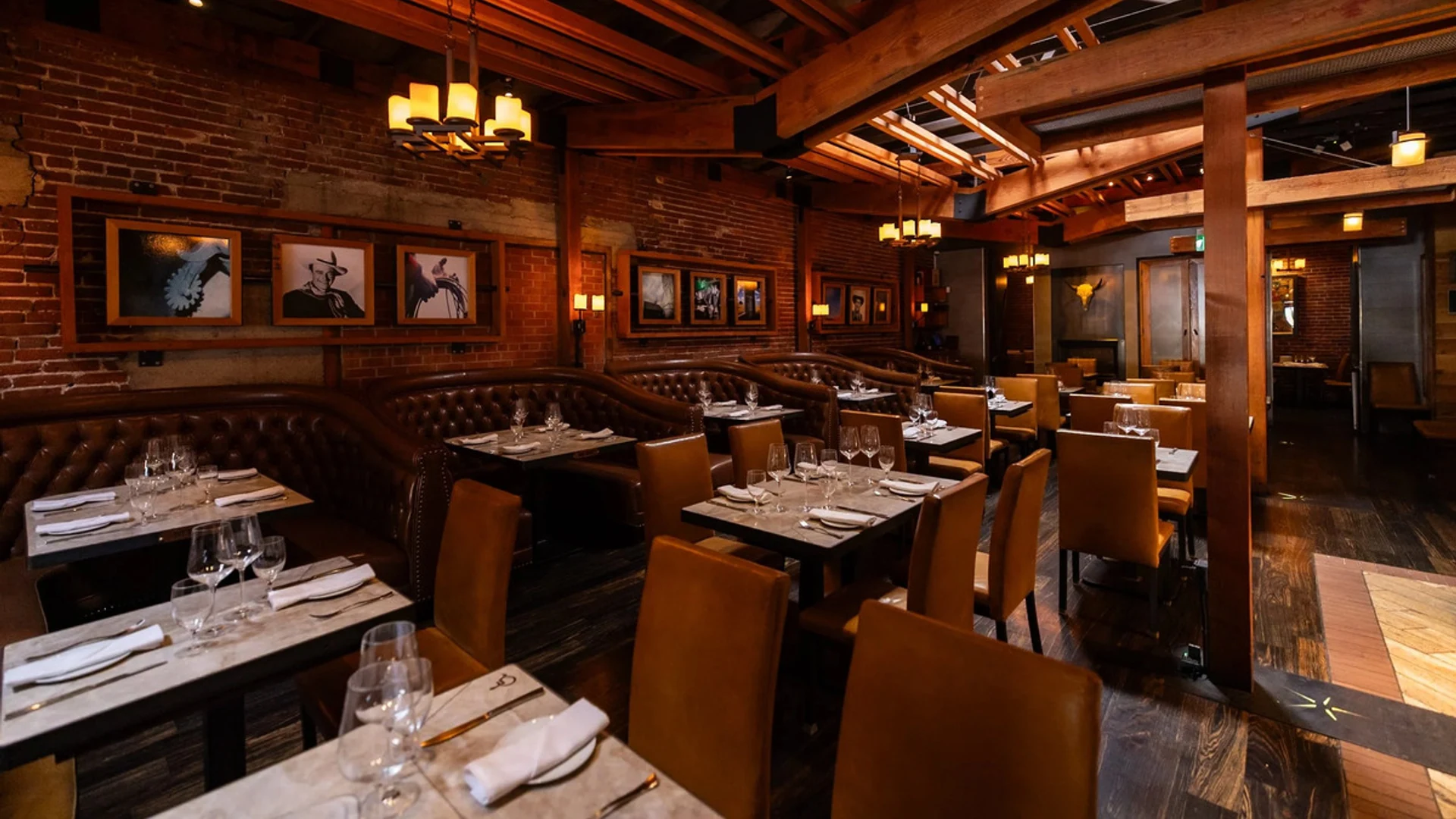
Cowboy Star has run a single-concept restaurant in East Village since 2008. In summer 2026, the same ownership group opens She Rode West in Bankers Hill, their first new concept in nearly two decades and the first project they have launched as a four-person ownership team.
For F&B brokers watching SoCal coastal markets, this kind of move is the more useful signal. A 17-year operator picks a moment for a second concept deliberately, and the timing, format, and partner structure all telegraph what the team sees in the market.
Adding the Director of Operations to the Ownership Group
Andrea Thurston has been with the Cowboy Star group for roughly a decade as director of operations, with a recent stretch running the Colorado Springs location. She is now a co-owner of She Rode West, marking the first time the group has operated as a four-person ownership team.
That structure tells a story we see only occasionally on the seller side. When a flagship operator brings a tenured operations lead into ownership ahead of a second concept, they are solving for two things at once. They retain the key person who actually runs the day-to-day, and they give the new concept its own decision-maker so the flagship does not lose attention.
I have walked operators through this exact arithmetic in conversations across the SoCal coast. A buyer underwriting a single-concept restaurant typically discounts for owner-operator dependency, meaning the value drops if the business runs entirely off the founders’ attention. A tenured GM or DoO with real equity is one of the clearest ways to demonstrate that the operation has depth beyond the founders’ presence. We have seen the same dynamic lift enterprise value at sale in concept after concept across California’s coastal markets.
All-Day and Cocktail-Forward by Design
She Rode West will occupy a 3,100-square-foot ground-floor space in the Park Summit building at Fifth Avenue and Upas Street, designed again by Basile Studio with 20-foot floor-to-ceiling windows. The format inside that space is the part worth studying.
The menu trades steakhouse formality for what the team describes as seasonal, shareable, and less formal. Reimagined classics like Cobb salads and beef carpaccio sit alongside curated steak selections, with lighter sandwich and salad fare for lunch and cocktails, wine, beer, and non-alcoholic options through the day.
The format trade-off is deliberate and rooted in daypart math. A fine-dining steakhouse drives high per-cover ticket on dinner-only service, concentrating revenue and risk into a narrow window. An all-day format with cocktails and shareables spreads revenue across lunch, happy hour, dinner, and late service, lowering dependency on any single daypart and getting more turns out of the same dining room. The trade is a lower average ticket per cover in exchange for higher labor utilization and a broader customer mix.
The pattern is one we expect to see replicated across SoCal coastal markets. With fine-dining-only running into headwinds, second concepts in adjacent neighborhoods that take the same kitchen craft into a lighter, broader format are a measured way to grow without diluting the flagship.
New Construction Versus Retrofit
The Park Summit building is new residential construction, with She Rode West taking the ground-floor retail space. That is a different underwriting exercise than retrofitting a former restaurant, with implications that show up at exit rather than just at buildout.
Those differences matter at exit, where new-build leases tend to be longer with structured rent escalations and often come with tenant improvement dollars baked in. Buildout from raw shell costs more upfront than reworking an existing kitchen, but the resulting space has no operational history weighing on it, no prior tenant’s customer associations, no inherited POS data, no comp set already trained on the address.
For an eventual buyer, that means underwriting a new concept on a long, clean lease in a fresh corridor, a different exercise than evaluating an established concept on its sixth year of lease term. Operators planning to sell in the next several years should think hard about how their lease structure will read to a buyer. New-build long-term leases generally help enterprise value; month-to-month or short-tail leases hurt it.
A Larger Signal Than the Average Bankers Hill Opening
A 17-year East Village flagship moving to Bankers Hill with a fresh concept is a larger market signal than the typical new opening. It says a credentialed operator group looked at this corridor, ran the math on a new format, and decided the timing was right to commit a four-person ownership team and a 3,100-square-foot ground-floor space.
Execution risk is the obvious watch point on any sister-concept launch like this. Sister concepts work well when the original kitchen’s standards transfer cleanly. They struggle when the new concept relies on dayparts and price points the founders have not run before. The first six months of operation will tell us whether the all-day, cocktail-forward math holds in this neighborhood, and whether other long-tenured SoCal operators take this as the moment to plan their own second concepts.
Sources
- WhatNow San Diego, “Cowboy Star Team Launching She Rode West”
- San Diego Magazine, “Team Behind Cowboy Star Launching New Bankers Hill Restaurant”
- San Diego Weekly, “Cowboy Star Expands With She Rode West, A Bold New Banker’s Hill Restaurant”
- Yahoo News, “Cowboy Star opening new Banker’s Hill sister restaurant this summer”
Businesses Mentioned
Tags