When Sapporo USA paid roughly $168 million for Stone Brewing in August 2022, it looked like a vindication of everything San Diego craft beer had built. Greg Koch and Steve Wagner’s 1996 creation, the ninth-largest craft brewer in the country at the time, was headed to a Japanese conglomerate with the resources to take it national. The craft beer world wasn’t sure how to feel, though the financial logic appeared sound.
Three and a half years later, Sapporo recorded a $91 million impairment charge on the asset and put Stone back on the market. Firestone Walker and Duvel Moortgat USA stepped in as the buyers, with a deal announced April 21 and a Q2 2026 close expected.
I’ve been following this story carefully, and what stands out isn’t who’s buying but what they’re buying, and what they’re not.
How the Deal Splits Production From Hospitality
Sapporo is keeping the Richmond, Virginia production facility, which becomes its primary U.S. production hub once the deal closes. The Escondido brewery and bistro stays under Sapporo for now, with long-term strategic options under evaluation. What transfers to Firestone Walker and Duvel Moortgat is the Stone brand and four California taprooms (Liberty Station, downtown San Diego, Oceanside, and Pasadena). Liberty Station continues operating as both a hospitality destination and an active brewing facility under the new ownership.
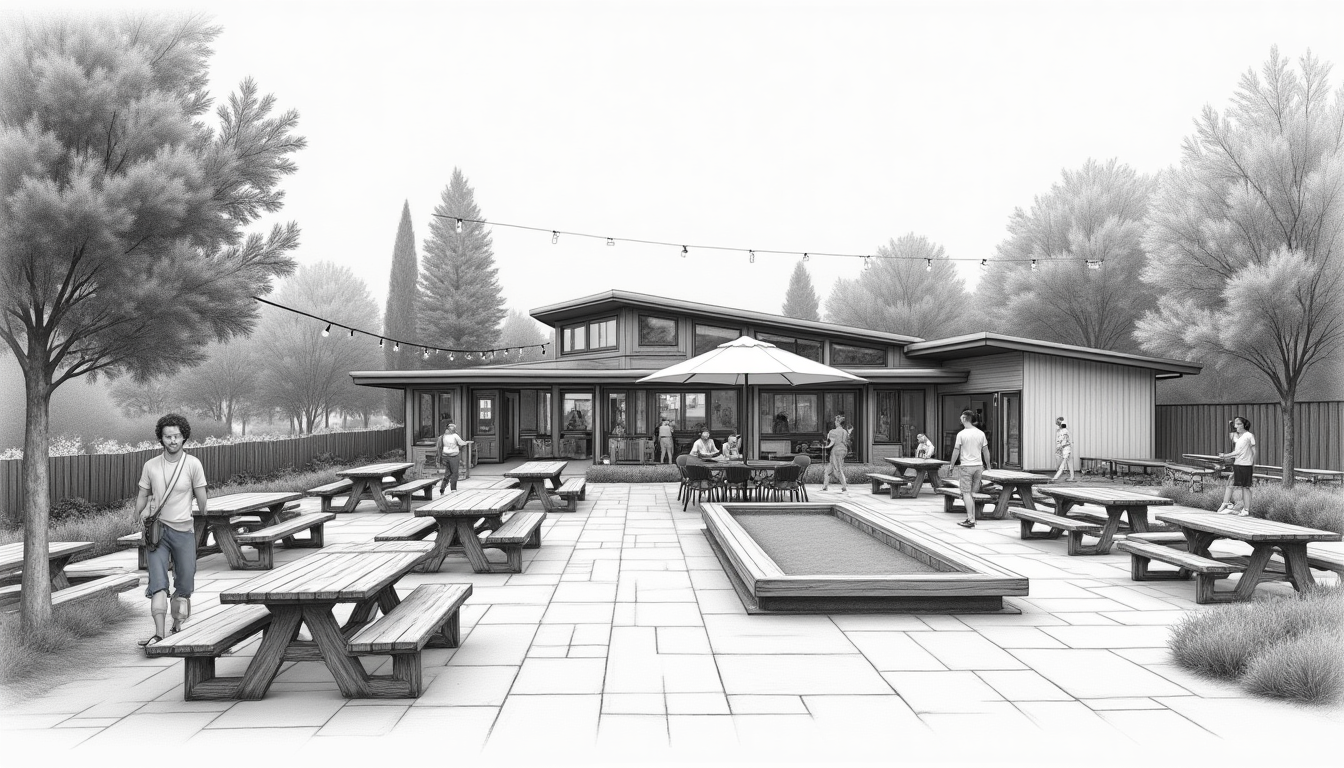
The acquirers took the venues, the community spaces, the experiential layer, and left the bulk of the production volume with the seller. Liberty Station isn’t just a taproom — it’s 55,000 square feet of indoor and outdoor space in one of San Diego’s most trafficked cultural destinations, with a 10-barrel pilot brewing system, bocce courts, private banquet rooms, a movie courtyard, and a garden patio. For years it held the designation as the largest restaurant in San Diego County.
That’s a hospitality business, and that’s what Firestone Walker and Duvel Moortgat wanted alongside the brand. Beer production at scale is under real pressure right now, with declining domestic consumption, rising input costs, and shelf competition that no single brand can fully overcome. A venue with three decades of San Diego identity, embedded in a neighborhood institution at Liberty Station, is a different kind of asset.
Why the Speed of Sapporo’s Distress Matters
The $91 million impairment charge came on January 30, 2025, less than three years after the acquisition closed. The market conditions that made the Stone deal look sound in 2022 turned against it almost immediately, and a corporate acquirer with a balance sheet to defend had limited patience to wait out a turnaround.
For SoCal operators thinking about their own timing, this is a useful reference point. The corporate strategic buyer (the type that came into F&B acquisitions with significant capital in 2021 and 2022) can move fast when an asset underperforms. The window between “valued asset” and “impairment charge” is not as long as operators tend to assume.
The buyers arriving now bring a different profile, and Duvel Moortgat has held a majority stake in Firestone Walker since 2015 without absorbing it into a corporate monoculture. Across Firestone Walker in Paso Robles, Boulevard Brewing in Kansas City, and Brewery Ommegang in Cooperstown, the consistent model is to acquire established craft heritage, maintain independent identity, and allow the brand to develop at its own pace. That’s patient capital, and it’s a real exit profile for California operators who care about what happens to what they built.
What This Means for California Coastal Operators
The Stone transaction reflects a consolidation pattern accelerating across craft beer and craft hospitality. Brands that built genuine experiential businesses (hospitality with local community identity, not just distribution volume) are the ones holding value when the market compresses. Production assets that looked defensible at 2021 multiples have repriced fast.
If you’re running a beer-centric hospitality concept in San Diego, Pasadena, or Orange County with a legitimate venue component, a real food program, and years of local following behind it, the Duvel and Firestone Walker acquisition model is worth understanding as an exit path when you decide to sell a restaurant or hospitality concept. They are an active, patient acquirer with a clear California footprint and a demonstrated preference for keeping acquired brands intact.
And if you’re on the other side and looking to buy a restaurant or hospitality concept in this cycle, the answer on whether the window has passed is more nuanced. The right buyer for the right asset exists in this market. What’s changed is the buyer profile, and the process matters more now than it did in 2022.
If you want to understand how your concept would look to that buyer class, let’s have a confidential conversation.
Sources
- VinePair, “Firestone Walker and Duvel USA to Acquire Stone Brewing From Sapporo”
- San Diego Beer News, “Firestone Walker and Duvel USA Acquire Stone Brewing”
- What Now San Diego, “Stone Brewing Transitioning to New Ownership”
- Brewbound, “Largest Shareholder Slams Sapporo Over Stone Impairment”
- Richmond BizSense, “Stone Brewing Beers Will No Longer Be Made in Richmond”
- American Craft Beer, “Stone Brewing Finds New Home with Firestone Walker and Duvel USA”
Businesses Mentioned
Tags