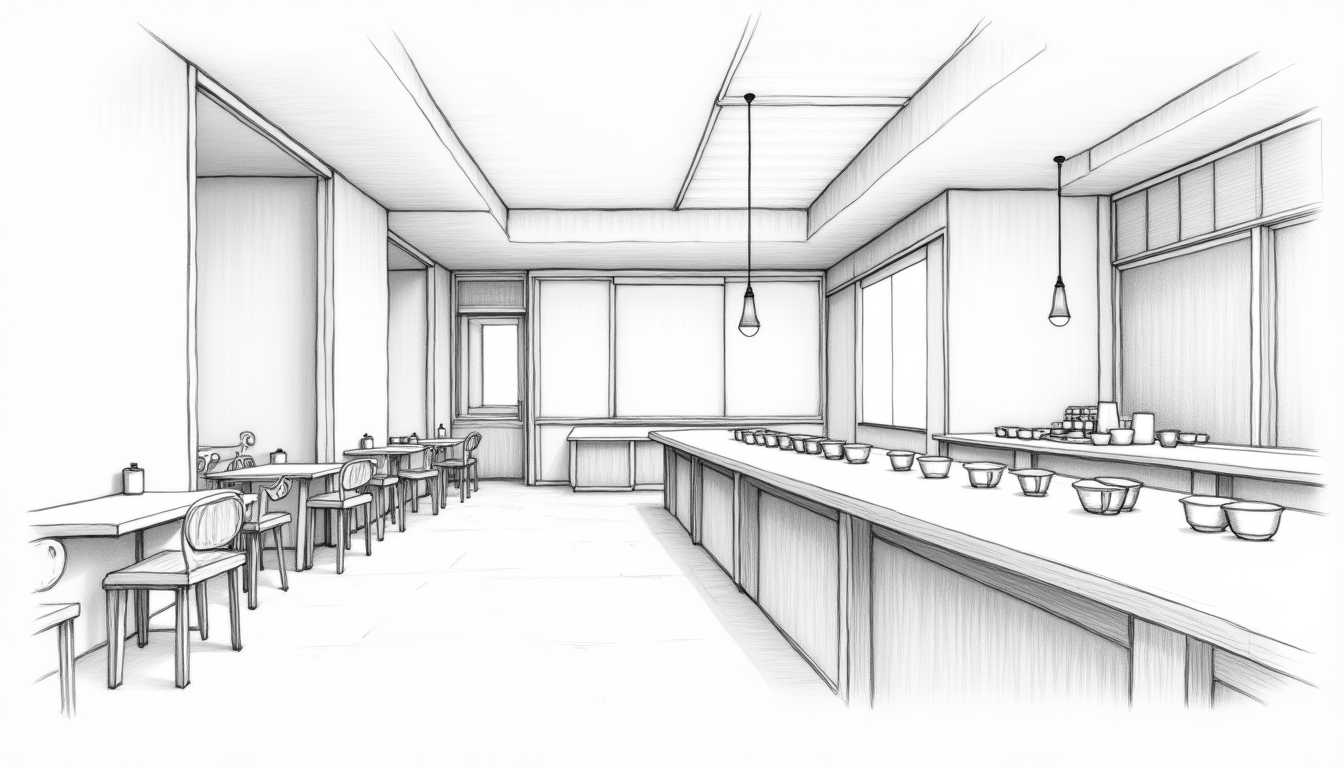
Sugarfish, the LA-based omakase sushi brand that has spent nearly two decades building a 10-location footprint in Los Angeles and Orange County and another five in New York, confirmed Spring 2026 for its first location outside those two metros. The address is 2100 Kettner Blvd, Suite 1100, in Little Italy, a 40-seat restaurant in the LEED-certified mixed-use building that also houses Postino WineCafe, Slice House by Tony Gemignani, and the San Diego FC front office.
That building selection and the Spring 2026 timing read on the surface as another LA chain arrival. For operators thinking about what disciplined expansion looks like in a market overrun with the opposite for a decade, the underlying pattern matters more than the headline.
The Sugarfish Pace Is the Story
Sushi Nozawa Group, founded in 2008, has opened roughly one Sugarfish per year since launch. The group has never franchised and has spent a generation refining a single format, the “Trust Me” omakase set menu, while waiting for markets that can absorb the price point and the wait without diluting the brand. San Diego, specifically Little Italy, is the third metro the Nozawa team has decided meets that test, and Little Italy was the obvious corridor inside that bet.
Lele Massimini, co-founder of the group, told KPBS, “We’re so excited to bring Sugarfish to San Diego’s Little Italy neighborhood.” The calculation underneath that boilerplate is clear, because the team picked the corridor absorbing premium, design-driven concepts at the highest rate in San Diego, and they tapped architect Robert Tsurimoto Kirsten of A-RTK to design the space with a nod to California ranch-house architect Cliff May.
That deliberate-pace operating model is what M&A buyers in the F&B sector are paying premiums for right now. A combination of repeatable unit economics, disciplined labor, and a brand that holds its meaning at unit number 16 is the profile that gets the top of the multiple range, while volume-driven franchise operators in the same segment trade at meaningfully lower multiples on the same revenue base.
Little Italy Rents and the Adjacent-Corridor Bid
Sugarfish picked the same building as Postino, Slice House, and San Diego FC, which reinforces the corridor ceiling rent yet again. For operators with an existing restaurant lease in Little Italy, exit comps for sit-down concepts in the corridor are still climbing because the demand from out-of-market premium operators is not slowing.
For operators in Bankers Hill, East Village, or South Park watching Little Italy run away from them on rent, the dynamic is different now that the corridor functions as San Diego’s destination-restaurant address. Operators sitting on a profitable footprint in an adjacent neighborhood should be tracking a widening buyer pool, because operators priced out of Little Italy are looking for the next corridor and are willing to underwrite a year-one revenue dip to plant a flag.
The Sushi-Tier Comp Set Just Tightened
San Diego’s premium sushi tier has been thin compared to LA for years. None of the named local Michelin-recognized operators are 40-seat omakase rooms with a national brand attached.
Sugarfish entering at the price point of a confident mid-tier omakase (LA lunch ranges between $32 and $60) puts pressure on two segments at once. The high-end omakase rooms keep their headline pricing but lose the casual occasion. The mid-tier sushi-by-the-piece concepts now compete with a brand that carries a national reputation and a 40-seat room delivering near-omakase quality at a value position.
Operators of sushi concepts in the San Diego coastal corridor have a 90-day question to answer about whether their guest counts and average ticket can withstand a Sugarfish opening within a 10-minute drive of their room. When the answer is “barely,” the broker conversation about positioning for exit should happen well before Spring 2026, not after the opening lands.
Compounding Effects That Follow the Open
- The Nozawa Cluster Pattern The group’s portfolio also includes KazuNori and Nozawa Bar. If a similar multi-concept cluster develops in San Diego, the corridor effect compounds in the way LA’s Sawtelle and West Hollywood corridors did.
- The Mixed-Use Stack Template A large landlord, multiple credible operators in one building, and a pro sports tenant anchoring the office floors is a configuration other developers can replicate. If they do, Little Italy gets a second and third anchor block.
- Strategic Buyers Re-Engaging The Sugarfish opening is the kind of validation event that pulls the next tier of strategic buyers into San Diego conversations they had not been in for years. Inbound interest in premium operators with strong unit economics should accelerate.
For operators sitting on something with a tight P&L and a decent lease, the market is moving in your direction. The conversation worth having now is what a structured plan to sell a restaurant looks like, including the timing, the buyer profile, and the prep work that makes a sale clean. We are glad to have that confidential conversation when you are ready.
Sources
- WhatNow San Diego, “SUGARFISH to Open in San Diego’s Little Italy in Spring 2026”
- San Diego Magazine, “Famed LA Restaurant Sugarfish Opening in San Diego Next Spring” (August 12, 2025)
- KPBS, “Popular LA-based sushi chain Sugarfish announces Little Italy debut in 2026” (August 12, 2025)
- These San Diego, “New Restaurants Opening in San Diego in 2026”
Businesses Mentioned
Tags