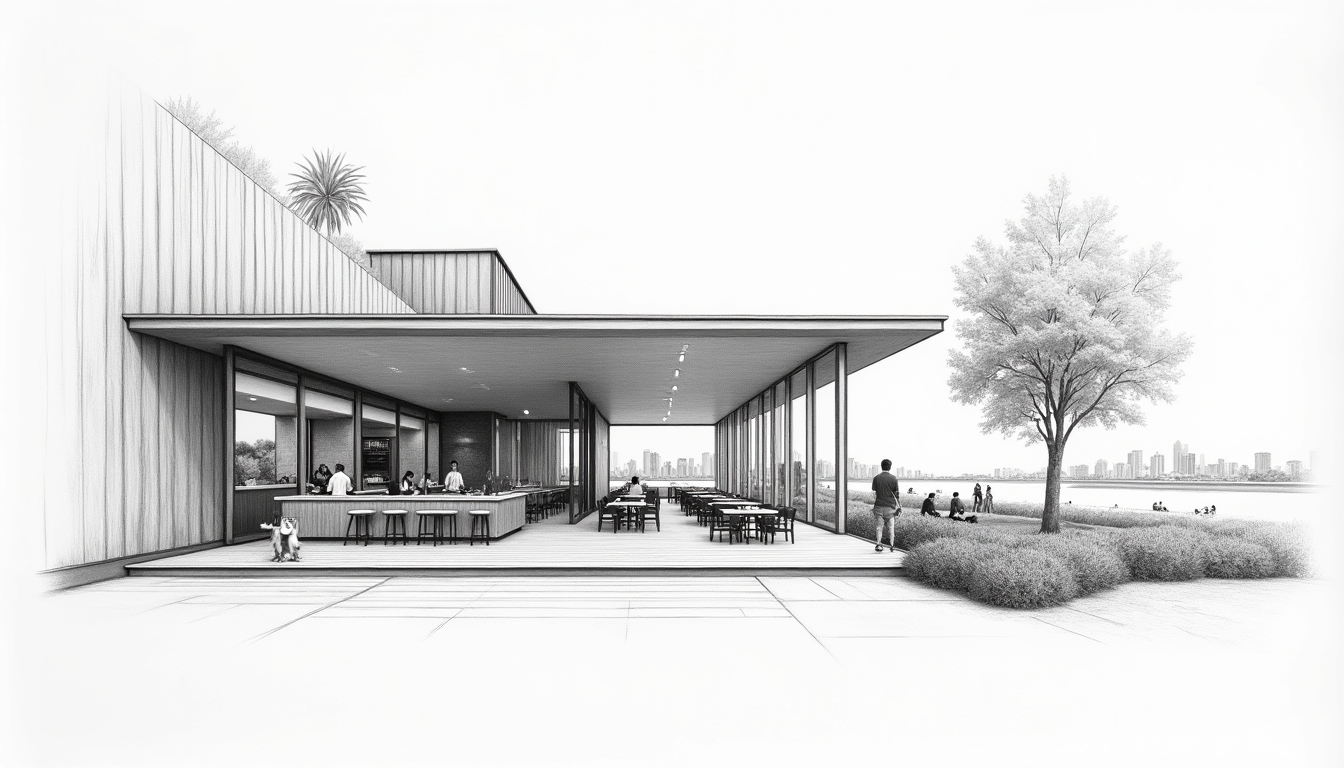
Zuma, the contemporary Japanese restaurant brand with locations in London, Dubai, Hong Kong, Miami, New York, Rome, Istanbul, Mykonos, Madrid, and Riyadh, just announced it’s coming to San Diego. A 12,000 square-foot, 270-seat restaurant inside The Guild Hotel on West Broadway, targeting a July 2026 opening.
This is worth paying attention to. Not because one more restaurant is opening downtown. But because of which brand, and what it signals about where San Diego sits in the global dining hierarchy.
Who Zuma Is
Zuma launched in London in 2002 as a contemporary izakaya: Japanese robata grill and sushi in a high-energy, design-forward setting. Over two decades, it expanded into the kind of cities that define global luxury: Dubai, Hong Kong, Miami, New York, Rome, Mykonos.
In January, the brand announced a multi-year partnership with the Mercedes-AMG PETRONAS Formula One Team as their official lifestyle and dining curator. That’s not a restaurant sponsorship. That’s a luxury brand alignment.
San Diego will be Zuma’s first California location. Not Los Angeles. Not San Francisco. San Diego.
Why San Diego, and Why Now
Kevin Mansour, co-founder of The Guild Hotel, made a bold claim to San Diego Magazine: Zuma will “move an entire market single-handedly.”
That’s marketing language, but the underlying thesis is real. Global luxury brands don’t enter markets they view as secondary. They enter markets where they see a concentration of high-net-worth consumers, a growing hospitality infrastructure, and a competitive landscape that hasn’t yet been claimed by peers.
San Diego checks all three boxes. The city’s dining scene has matured significantly over the past decade, from a beer-and-tacos reputation to a market producing nationally recognized chefs, destination-worthy restaurants, and a tourism economy that now drives serious food-and-beverage spending. The wave of openings heading into 2026 confirms that operators and investors see momentum here.
A brand like Zuma doesn’t follow trends. It validates them.
What This Means for the Local Market
When institutional capital and global brands enter a dining market, it changes the dynamics for everyone already operating there. Here’s how:
The pricing ceiling rises
Zuma’s average check in comparable markets runs well above what most San Diego restaurants charge. When a high-end concept normalizes $150+ per-person dining in downtown, it creates headroom for existing upscale and mid-range restaurants to adjust their own pricing. The market’s perceived value threshold moves up.
For operators running established fine-dining or upscale-casual concepts, this is a tailwind. Your pricing looks more reasonable by comparison, and the overall market expectation for what dining in San Diego costs recalibrates upward.
The talent pool deepens
A 12,000 square-foot, 270-seat restaurant backed by an international brand will recruit aggressively: experienced sushi chefs, sommeliers, service professionals, managers. That recruitment draws talent to San Diego who might not have considered the market before.
Short-term, it creates competition for experienced staff. Long-term, it expands the local talent pool as professionals move to the area and eventually rotate through other restaurants. Established San Diego restaurant groups have seen this pattern before with other high-profile openings.
The investor narrative strengthens
Every time a globally recognized brand chooses San Diego over other California markets, it reinforces a narrative that institutional investors and developers pay attention to. More hotel-restaurant partnerships. More mixed-use developments with serious F&B components. More capital flowing into the dining segment.
For restaurant owners, this is context that supports valuations. A restaurant in a market that Zuma has validated as worthy of expansion carries a different narrative than one in a market global brands overlook. That narrative matters when buyers are deciding where to deploy capital.
The Other Side
Not everything about a Zuma-level entry is upside for existing operators.
Labor costs could spike. An international brand with deep pockets can outbid local restaurants for top talent. If you’re running a smaller operation and your sous chef gets recruited, replacing them just got harder and more expensive.
Downtown oversaturation risk. The West Broadway corridor and surrounding Gaslamp/waterfront area has absorbed a lot of new restaurant openings. At some point, supply outpaces demand. Zuma will draw its own crowd, but it will also compete for the same high-spending diners that existing concepts rely on.
The comparison effect. When a globally polished brand operates down the street, the service and design standards become the new benchmark. Restaurants that haven’t invested in their space or their front-of-house training may feel the contrast acutely.
The Broker’s Take
I’ve been watching San Diego’s restaurant market evolve for years. The trajectory is unmistakable: this city is transitioning from a regional dining market to a nationally relevant one. Zuma’s entry doesn’t cause that transition; it confirms it.
For owners thinking about selling, market maturation is a rising tide. Buyers, especially those from LA, the Bay Area, and out of state, are increasingly looking at San Diego as a market worth entering. When a global brand chooses this city for its first California location, it validates the opportunity those buyers are evaluating.
For buyers, the signal is equally clear: San Diego’s dining market isn’t done growing, and the competition for the best locations, leases, and concepts is going to intensify. The operators who are here now have a first-mover advantage that becomes more valuable as the market matures.
One restaurant doesn’t change a market overnight. But when the restaurant is Zuma, and the market is San Diego, it’s a data point worth building a strategy around.
Businesses Mentioned