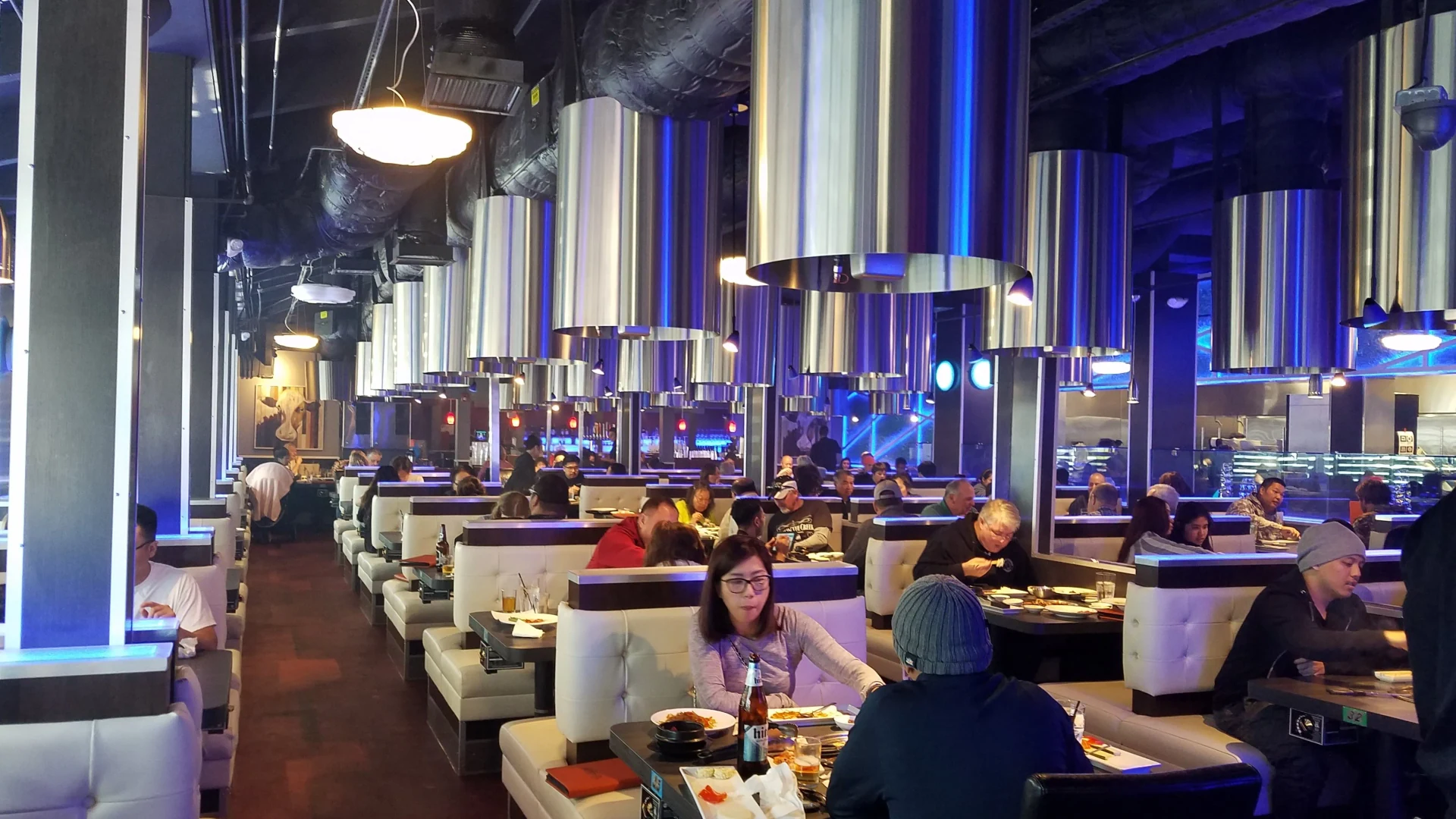
GEN Korean BBQ, the Tustin-born chain that went public on the Nasdaq in 2023, has signed a binding letter of intent to sell 47 of its restaurants to Chubby Cattle Group for $100 million. The deal, announced October 14, transfers the operating restaurants in four phases over twelve months, with the first dozen locations targeted for the start of November. When it closes, GEN will no longer run a single restaurant under its own name. It keeps the GEN brand, its packaged-goods business, and three locations for training and development, and it plans to continue as a public company built around consumer products rather than dining rooms.
Selling the Restaurants, Keeping the Business
Most owners think of a sale as one transaction where the business changes hands and the seller walks away. GEN is doing something more deliberate. It is separating the company into parts and selling only the part that carries the heaviest burden, the operating restaurants and the leases attached to them, while holding onto the brand and the grocery line that generate revenue without a dining room to staff. GEN told investors the sale would “materially fortify” its balance sheet by reducing liabilities, lease obligations among them. For a buyer, taking on 47 restaurants means taking on 47 leases. For GEN, handing them off is a large part of what the deal is worth.
The Buyer That Can Absorb 47 Leases
Chubby Cattle Group is the kind of buyer equipped to take that on. Chubby runs about 70 locations across more than 25 Asian concepts, reported $233 million in revenue last year, and recently closed a $50 million funding round that valued it at $500 million. It is funding the conversions with its own capital and will move most of the GEN locations onto its own brands. A platform with that balance sheet can underwrite a 47-unit lease stack and a twelve-month takeover in a way no single operator could, which is why portfolios of this size trade to platforms like Chubby rather than to individual buyers.
Where the Value Actually Sits
GEN is a large public company, but the structure of its exit is the useful part for a single-location owner in San Diego or Orange County. A restaurant business is rarely one indivisible asset. The operating entity, the real estate or lease, the brand and recipes, the equipment, and any side revenue such as catering or retail products can each be valued and sold separately, and the pieces do not all carry the same value. A brand and a recurring product line are durable. A below-market lease is an asset in its own right, while an above-market one on a space the owner does not control is a liability a buyer prices down or expects the seller to carry.
That is why the lease stack is the first thing a buyer prices in any multi-unit deal, and often the first thing worth cleaning up before an owner goes to market. Knowing which pieces of a business a buyer actually wants, and which ones a seller would pay to shed, is the difference between a sale that captures what the owner built and one that hands the upside to the other side of the table. The same consolidation reshaping Southern California’s buyer pool is visible in this fall’s larger restaurant deals, where well-capitalized groups absorb footprints that individual operators can no longer carry. Smith Allen works with Orange County operators on structuring an exit, running the valuation that establishes what each piece is worth and the sell-side process that brings it to the right buyer.
Sources
- Nation’s Restaurant News, “Gen Korean restaurants will be sold to Chubby Cattle Group for $100M”
- Restaurant Dive, “Gen Restaurant Group sells 47 stores to Chubby’s for $100 million”
Businesses Mentioned
Tags