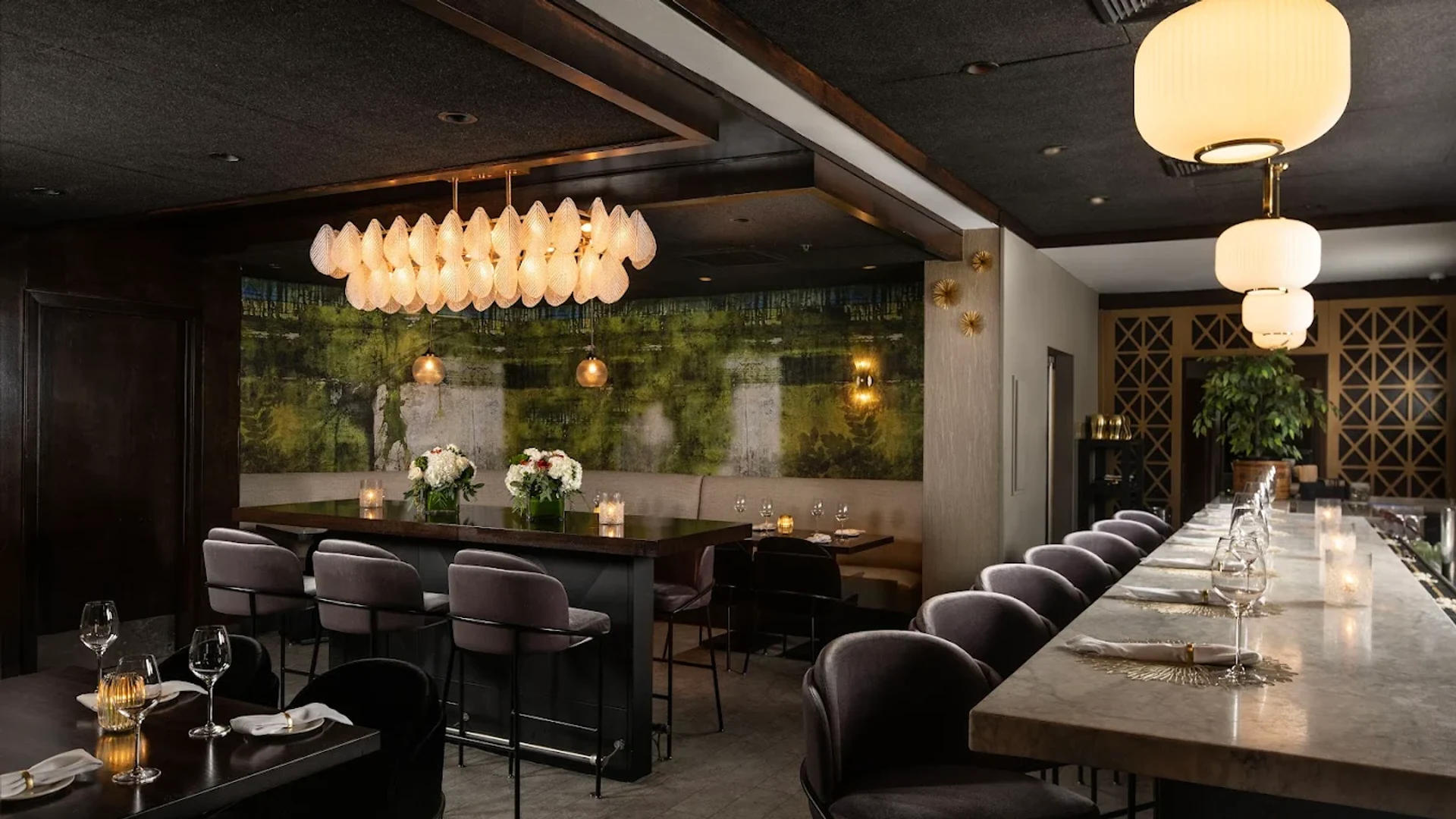
Market Restaurant + Bar in Del Mar closed on September 21 and will not reopen until spring 2027. The restaurant at 3702 Via De La Valle is going through what co-owner Bernd Brust calls a floor-to-ceiling transformation, a full renovation that brings a new design, larger dining areas, an expanded sushi program, upgraded private dining, and a new menu. The same room changed hands only a year ago, when Bernd and Monica Brust bought it from founding chef Carl Schroeder, a James Beard semifinalist who opened Market in 2006.
The Brusts were longtime regulars before they were owners. When they bought the restaurant from Schroeder in September 2025, they committed to keeping it locally owned, retaining the team, and sourcing from local farms, and the changes they flagged then were modest. A year in, their first major move is a capital project large enough to require closing the doors for roughly half a year.
The Cost of Going Dark for Six Months
Closing for two seasons is one of the most expensive decisions an operator can make. A restaurant that goes dark in September forfeits the holidays, the quiet winter it would normally use to keep payroll together, and the run-up to the summer season a Del Mar room depends on. Every month of darkness is revenue that does not come back, on top of the cost of the build itself. A buyer focused on near-term cash flow phases a renovation around operating hours or skips it, while a buyer underwriting the long-term value of the brand spends the downtime to get the asset right.
That is the signal in a reinvestment like this one. The Brusts are putting money into the restaurant early, before the previous owner’s shine has worn off. Operators who buy a business they love tend to make that trade, because the version of the room they are paying for is the one they intend to run for a long time.
Continuity Without Standing Still
The renovation does not undercut the continuity the Brusts promised at the sale. The name stays, the local ownership stays, and the team and local sourcing stay. What changes is the physical plant and the menu, the parts of a restaurant an owner can upgrade without touching its identity. Brust framed the project as building on what Market already is, saying, “Every detail is being reimagined to create an atmosphere that reflects the caliber of our cuisine and hospitality.”
For a buyer who acquired a restaurant for its standing in the community, that distinction carries weight. The goodwill sits in the name, the reputation, and the regulars, and a renovation that keeps all three puts none of them at risk. Expanding the sushi program and the private dining capacity adds revenue lines to a room that already has a following, which is how an operator builds the value of an asset they plan to hold.
The Economics of Closing to Build
A six-month closure only works when the operator controls the space on terms that survive the downtime. An owner carrying a lease still owes rent while the dining room sits empty, so a project on this scale depends on either owning the real estate or holding the space on a lease long and cooperative enough to absorb the dark period. Pinning those terms down is one of the first things a buyer should do before committing to a room they intend to rebuild.
The timeline also resets the clock on the investment. The Brusts carry the cost of the build and the lost revenue now, and they will not see a return until a reworked Market is open and busy in a post-renovation summer. The patience to spend that money and that time on a coastal room is the same long-horizon bet selective operators keep making on this stretch of coast, where the right corner is worth waiting and building for.
The Seller’s Bet on the Buyer
The Schroeder sale stood out because a beloved Del Mar room stayed intact instead of closing. A year later, the owners who bought it are spending real money and forgoing half a year of revenue to make it better, which is the outcome a seller hopes for when he hands a legacy to a buyer who shares his standards. For an operator weighing an exit, that is the case for caring who the buyer is, not just what they pay. A well-matched buyer carries the brand forward and reinvests in it, and a restaurant two decades in the making gets a second act.
Sources
- WhatNow San Diego, “Del Mar’s Market Restaurant + Bar Targets Spring Reopening” (2026-10-08)
- San Diego Magazine, “Chef Carl Schroeder Sells Market Restaurant + Bar in Del Mar to New Owners” (2025-09-03)
Businesses Mentioned
Tags